
Runjie Ou
Runjie Ou is a Ph.D. candidate in Politics at the New School for Social Research whose research examines nationalism and the politics of humiliation in 20th century China, with a focus on the discourse of “national humiliation” in the late Qing and Republican periods.
Runjie Ou is a Ph.D. candidate in Politics at the New School for Social Research, specializing in comparative politics and political theory. His research examines nationalism and the politics of humiliation in 20th-century China, with a focus on the discourse of “national humiliation” in the late Qing and Republican periods. His dissertation traces how national humiliation evolved from a Confucian moral concept by elites into a modern mass discourse circulated through newspapers, schools, memorial practices, textbooks, commercial publishing, and visual culture.
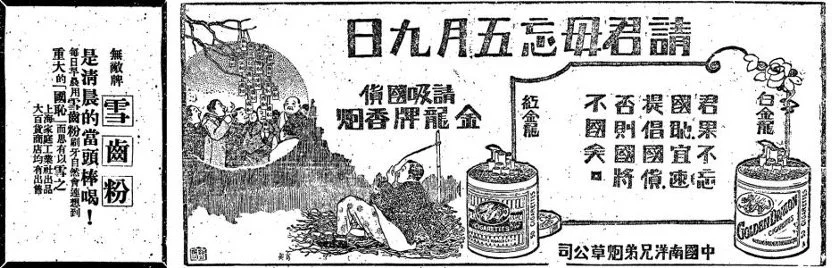
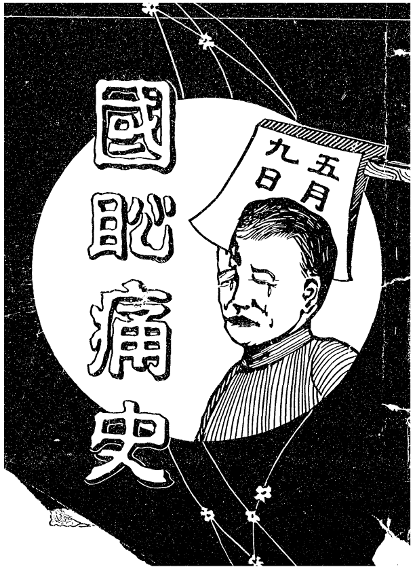
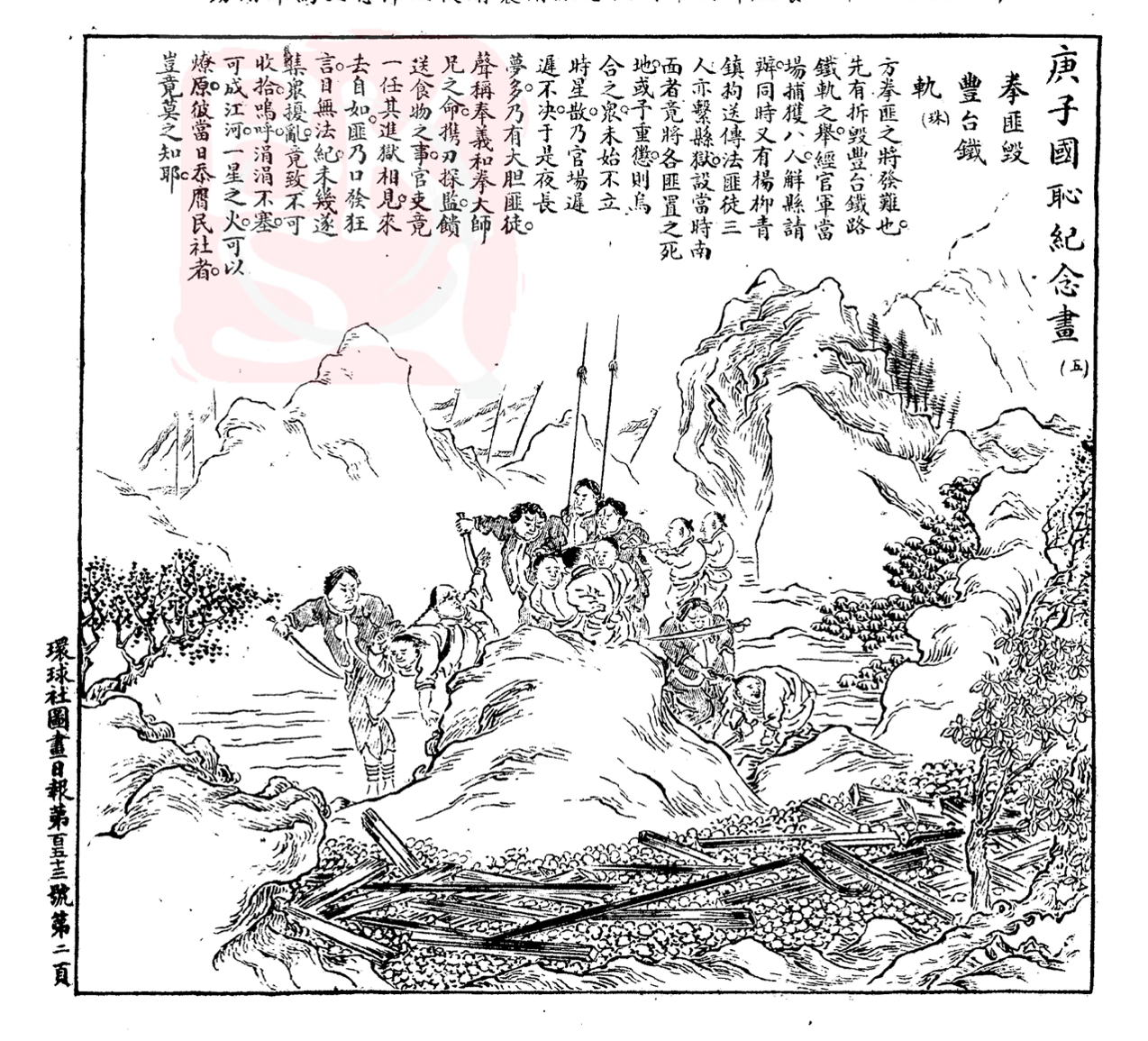
Runjie’s GIDEST project examines how “national humiliation” became a mass political discourse in China between 1915 and 1920. This period began with the Twenty-One Demands and the National Humiliation Day of May 7, 1915, and culminated in the May Fourth Movement of 1919. He asks how humiliation moved from an elite political concept into a public language of memory, protest, and collective action.
The project begins from a conceptual puzzle: humiliation is usually private and difficult to express publicly, yet in early Republican China it became visible, repeatable, and socially mobilizing. Runjie argues that this transformation depended on visual and popular forms, including pamphlets, advertisements, public speeches, student demonstrations, memorial rituals, and street performances. These forms translated abstract national shame into concrete symbols and narratives that broader publics could recognize and act upon.
By focusing on 1915–1920, the project shows how repeated memorial practices and visual circulation helped prepare the emotional and organizational ground for May Fourth. It contributes to Runjie’s dissertation by explaining how design, media, and public ritual transformed national humiliation into a shared political language.