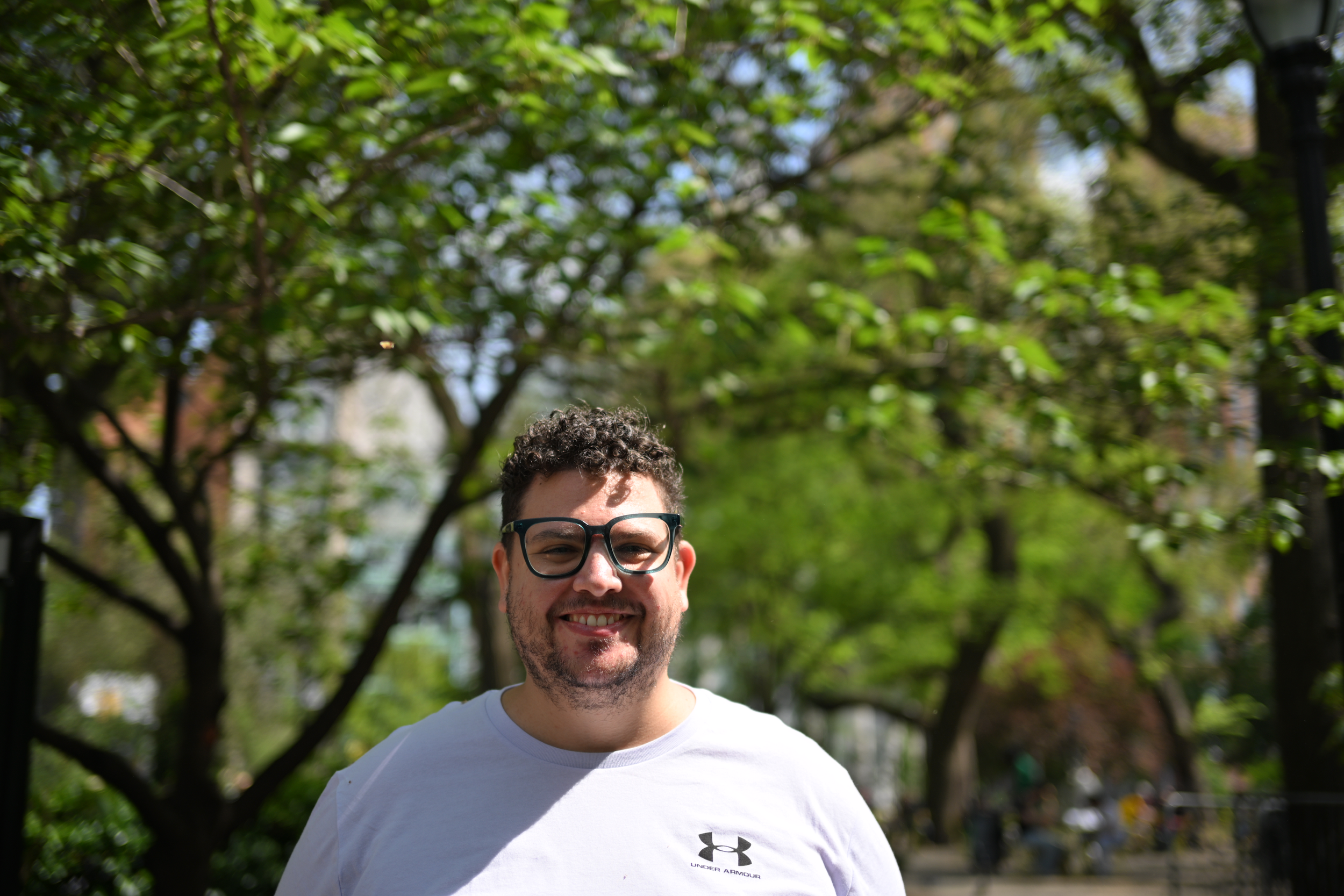
Ramon de Haan
Ramon L. C. de Haan is a Ph.D. candidate in Anthropology at the New School for Social Research whose dissertation project is focused on Black activists working towards repair and reparations for slavery and colonialism in Curaçao and Suriname.
Ramon L. C. de Haan (he/him) is a Ph.D. candidate in Anthropology at the New School for Social Research. His dissertation project is focused on Black activists working towards repair and reparations for slavery and colonialism in Curaçao and Suriname. Guided by activist anthropology, he investigates how Black activists approach repair as a holistic, multidimensional project to transform all aspects of society in order to dismantle the afterlives of slavery and colonialism.
Ramon’s research and studies have been funded by a Dissertation Innovation Fellowship from the Mellon Foundation and ACLS, with additional funding provided by the Point Foundation, the Zolberg Institute on Migration and Mobility, and the Cultuurfonds and Dr. Hendrik Muller Vaderlandsch Fonds in the Netherlands. He holds an M.Phil. and M.A. in Anthropology from the New School for Social Research and a B.A. in Liberal Arts and Sciences from the University of Amsterdam and Vrije Universteit Amsterdam.
As a gay, mixed Afro-Surinamese and white Dutch anthropologist, his academic work, teaching, and political activism are shaped by Black feminist role models past and present, within and beyond academia: ultimately, he is led by the belief that alternative worlds of Black liberation are possible and must be pursued relentlessly.
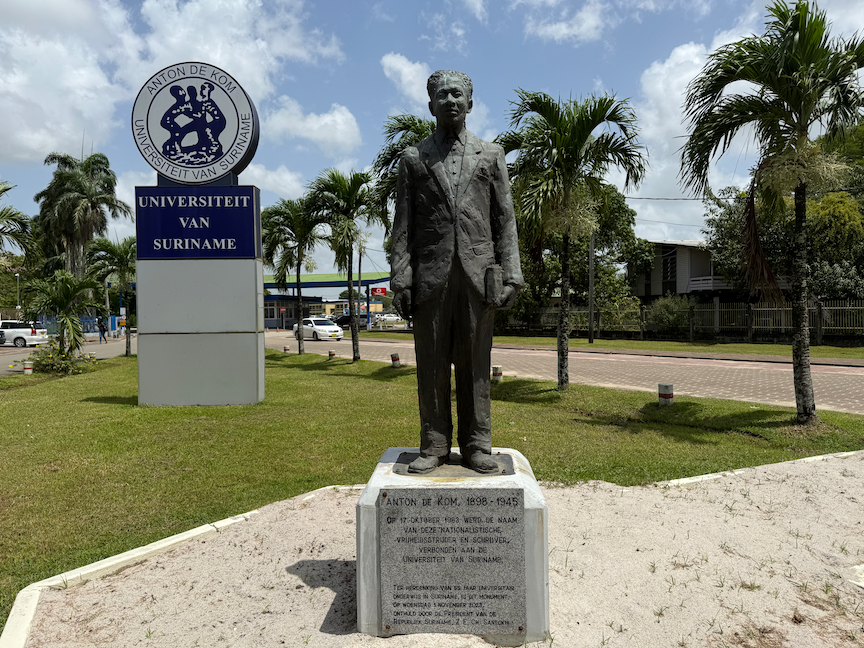
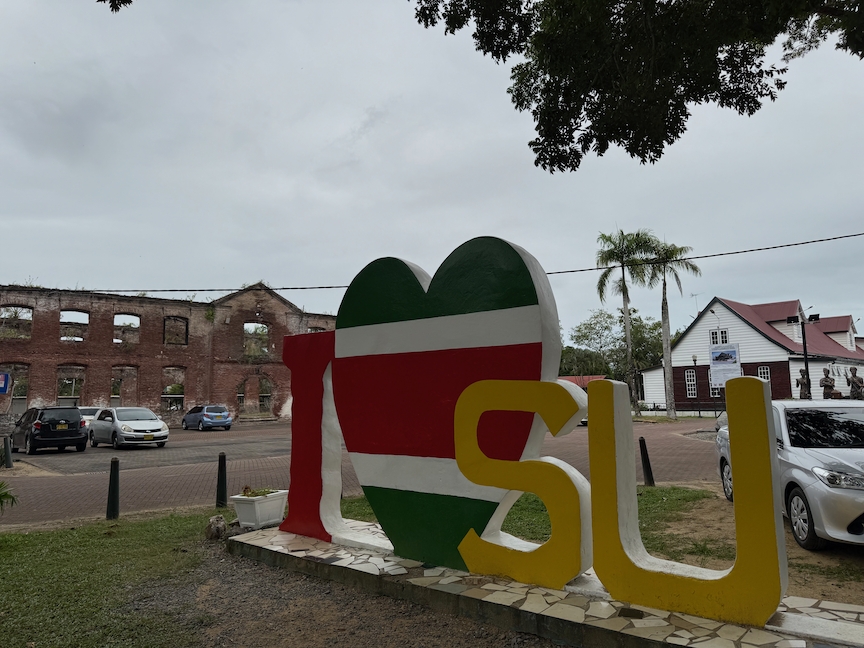
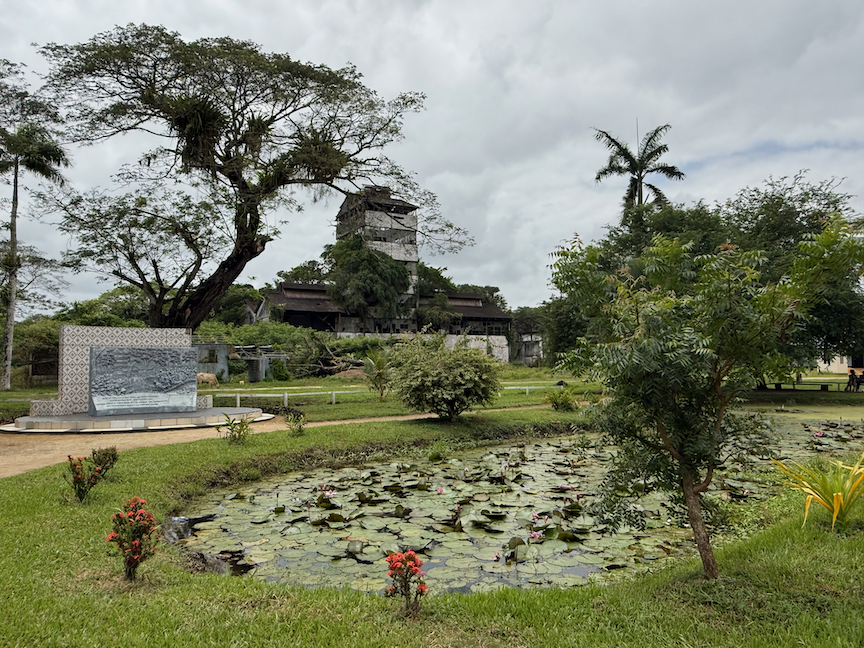
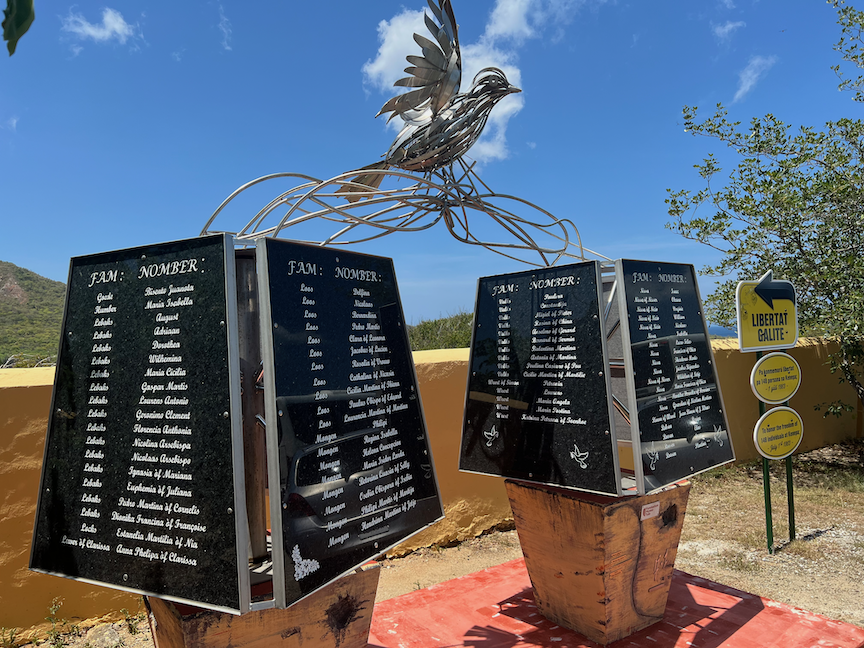
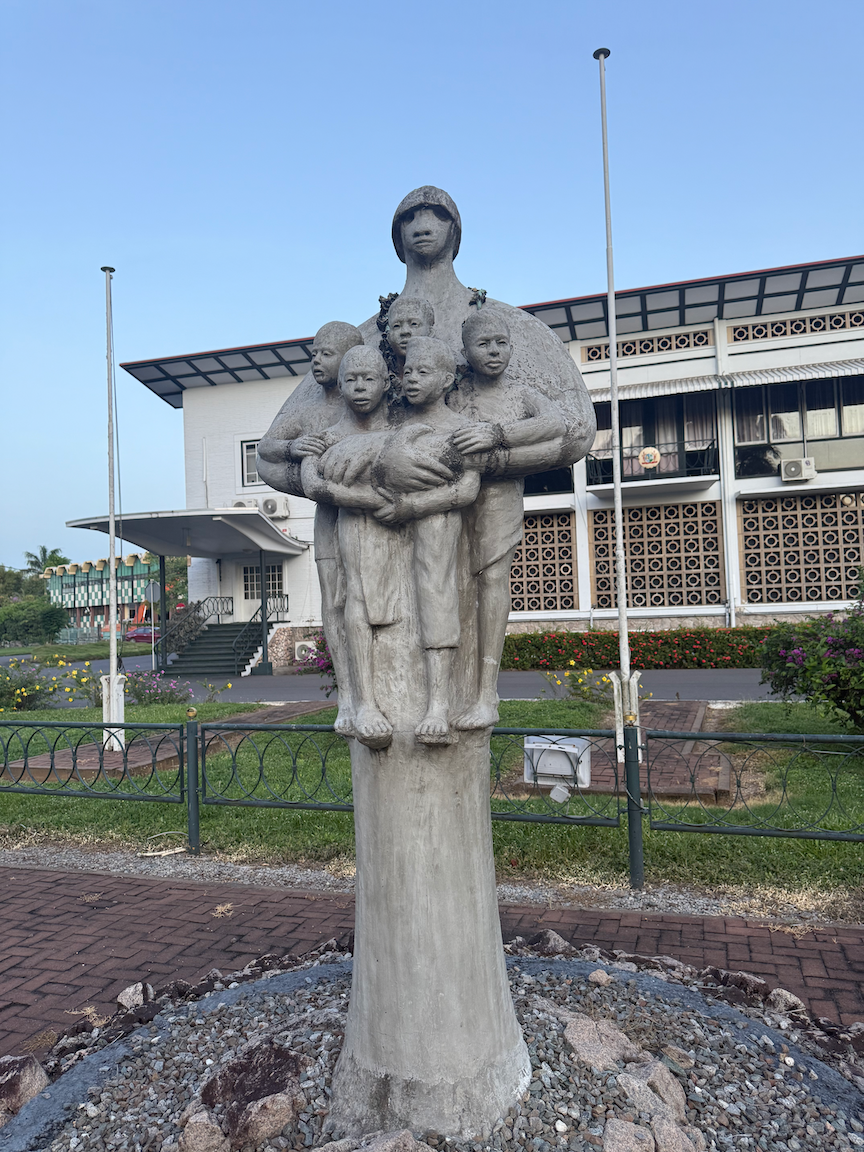
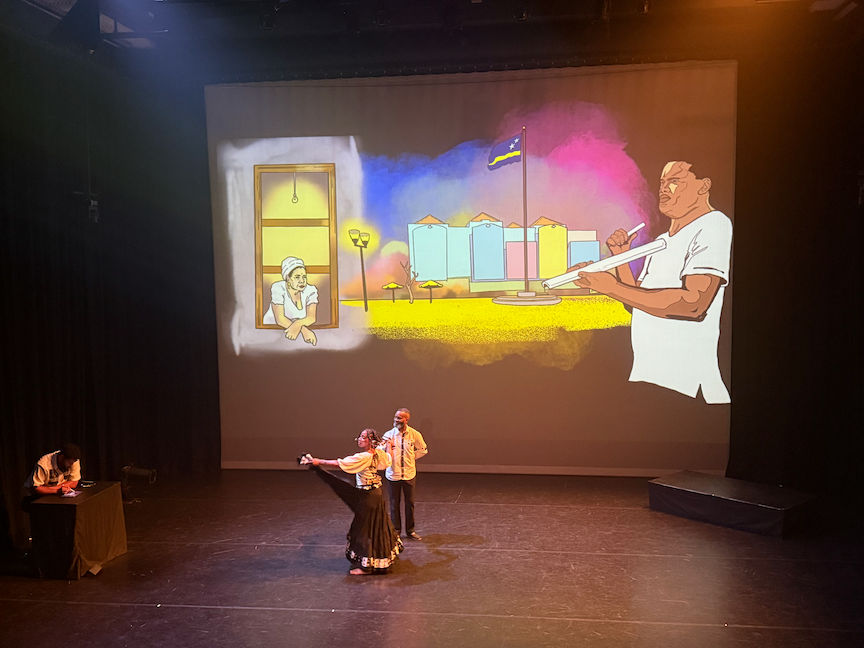
During the GIDEST fellowship, Ramon will be focusing on the project titled Imagining and Building Reparative Futures: Dutch Caribbean Repair and Reparations Activism, based on ethnographic fieldwork conducted in Curaçao and Suriname. Activists offer more than social critique alone: in their work, Black social and creative actors are also crafting visions of the future and the kinds of worlds they want to see created through repair and reparations. “Reparative futures” is used here to refer to this form of imaginative work.
During the fellowship, he will focus on analyzing how activists engage in worldmaking and what these reparative futures look like, particularly through artistic, creative, and political expressions. Combining ethnographic research with aesthetics, design, and visual analysis, Ramon will investigate how aesthetic forms function as sites of political imagination. As an inherently interdisciplinary project on the intersections of literary and art analyses, anthropology, and Black studies, he will explore what it means to engage conceptually, politically, and aesthetically with reparative futures and Afrofuturism as a scholar-activist. He joins GIDEST as a space where speculative, artistic, and political practices are treated not as side projects, but as central modes of knowledge production.