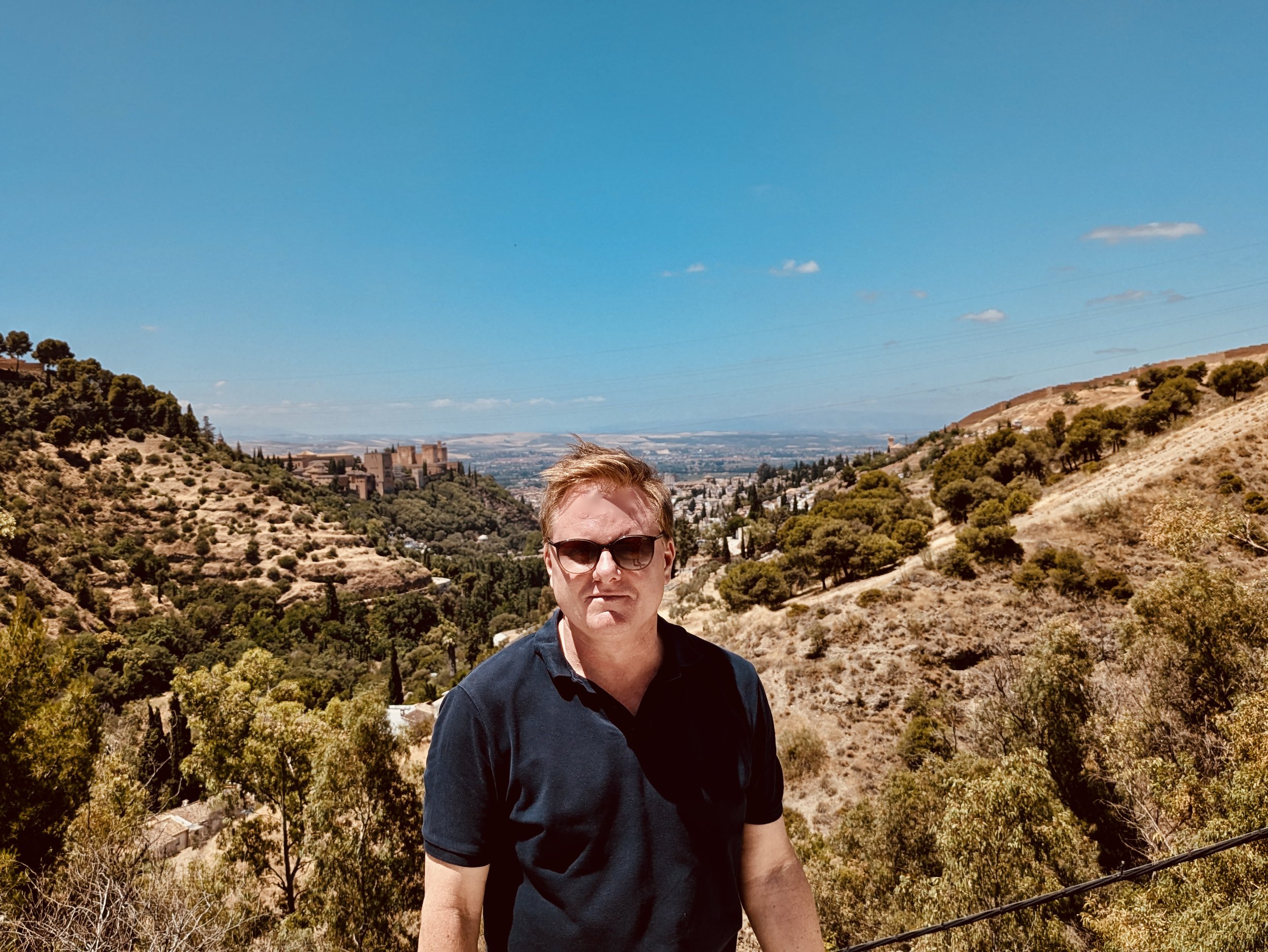
Paul Kottman
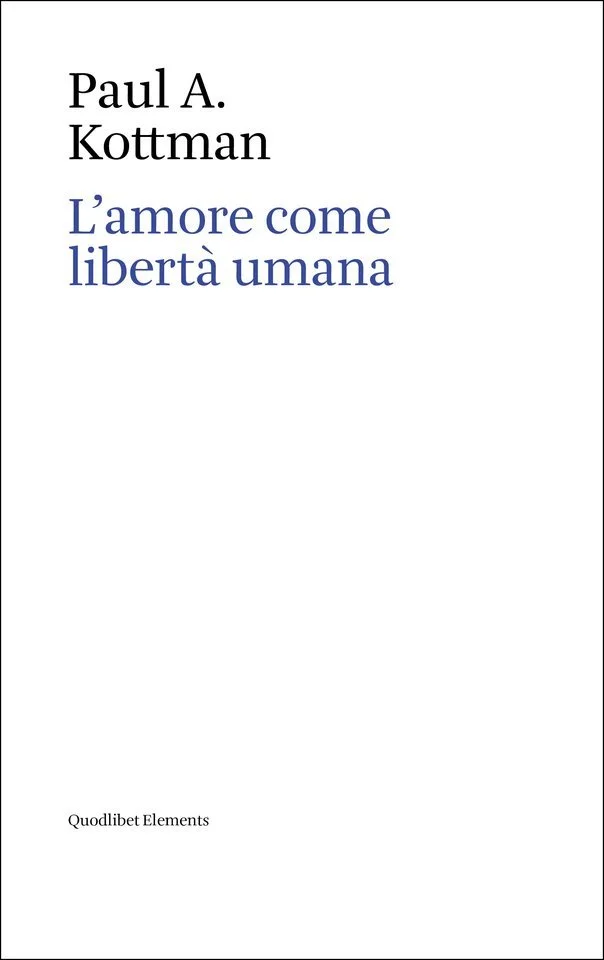
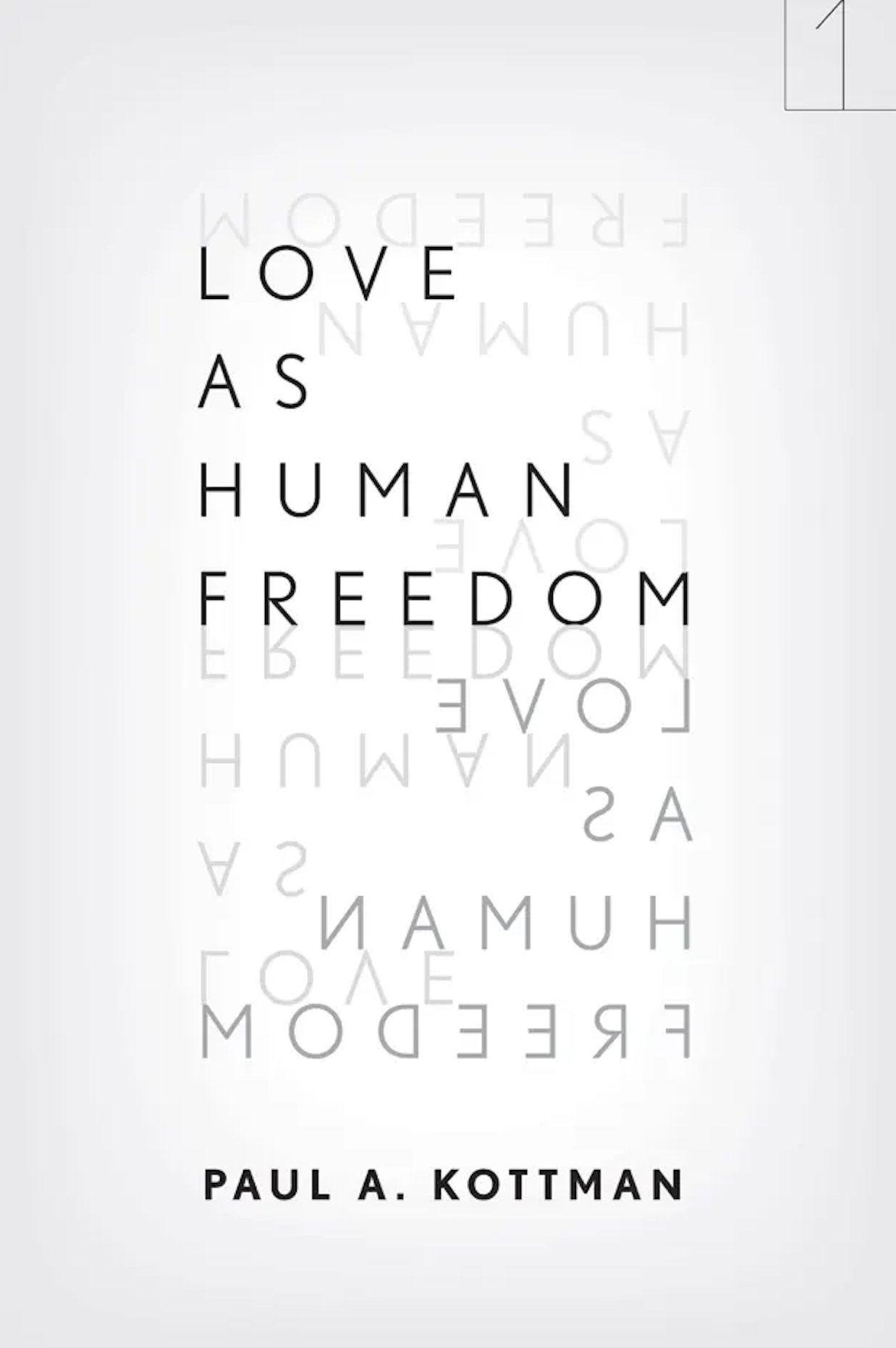
Paul A. Kottman is Professor of Comparative Literature, Chair of the Committee on Liberal Studies, and co-chair of the Institute for Philosophy and the New Humanities at The New School for Social Research and Eugene Lang College. He is the author of Hegel, Shakespeare, Modernity; Love as Human Freedom; and various other books and essays.
Paul A. Kottman is Professor of Comparative Literature, Chair of the Committee on Liberal Studies, and co-chair of the Institute for Philosophy and the New Humanities at the New School for Social Research and Eugene Lang College. He is the author of Hegel, Shakespeare, Modernity (Shanghai, 2023), Love as Human Freedom (Stanford 2018), and various other books and essays. He edits the book series Square One: First Order Questions in the Humanities for Stanford University Press.

Democracy is usually understood as a system of government based on elections and laws. This project starts from a different idea: democracy is also a way of life—a shared cultural practice that shapes how people see, hear, and relate to one another. Taking this broader view can help us better understand democracy’s challenges and possibilities in the twenty-first century. The project asks what democratic life feels like. It argues that democratic cultures are defined by their openness: by their willingness to confront social conflicts, historical injustices, and uncomfortable truths rather than excluding or denying them. Undemocratic ways of life often try to protect themselves by drawing sharp boundaries—between insiders and outsiders, truth and denial. Democratic cultures, by contrast, are sustained by practices that make room for difference and complexity. From this perspective, modern media and technologies—from photography and film to social media and artificial intelligence—are not simply threats to democracy. They are part of how democratic societies record, share, and confront reality. Understanding these technologies as cultural practices, rather than merely as tools that can be misused, opens new ways of thinking about democracy’s future.