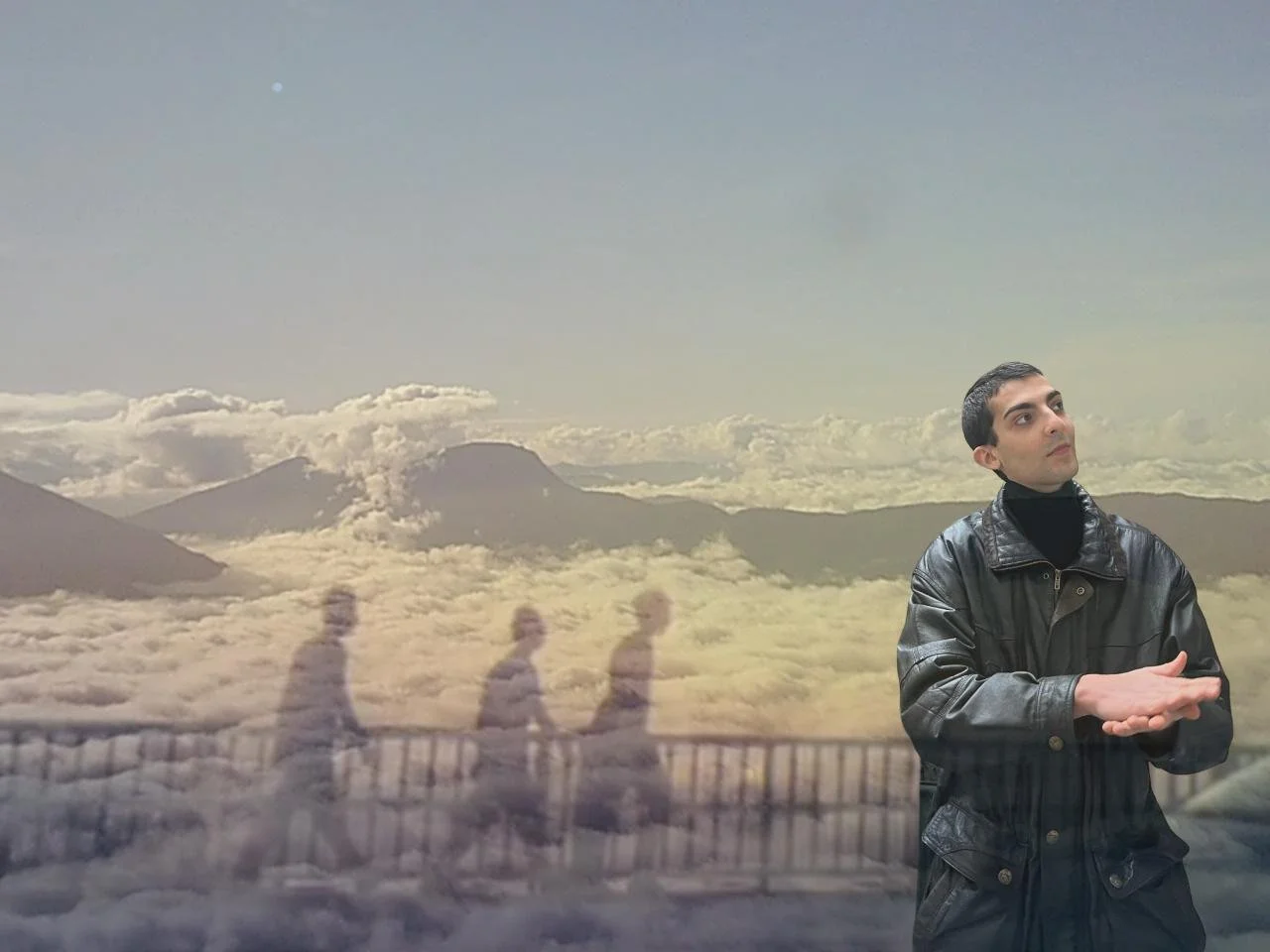
Khalil Habrih
Khalil Habrih is a postdoctoral researcher in Anthropology and Design at the New School for Social Research and the Parsons School of Design Strategies whose current research examines representations of scabies, and other dermatological diseases, in the French colonial and medical archive.
Khalil Habrih is a postdoctoral researcher in Anthropology and Design at the New School for Social Research and the Parsons School of Design Strategies. Their current research, supported by the Social Sciences and Humanities Research Council of Canada, examines representations of scabies, and other dermatological diseases, in the French colonial and medical archive. The work considers the relations between colonial etiologies of dermatological diseases and regimes of (im)mobility of colonized peoples. Anchored in today’s urban topography of policing, the work traces the absent-presence of colonial infrastructures in contemporary public policy and policing.
Khalil received training in anthropology and political sociology at the University of Ottawa, the École des hautes études en sciences sociales (EHSS) and the Institut d’études politiques de Paris. In their doctoral dissertation, they studied interstitial urbanism and conducted fieldwork at the junction of urban expertise, queer cultural formations, immigrant spatiality, and abjected informal spaces. In their first book, Traces of Violence: Writings on the Disaster in Paris, France (University of California Press), co-authored with Robert Desjarlais, Khalil articulates an ethnography of stop-and-frisk with histories and geographies of coloniality in North Paris. This work received the 2023 William A. Douglass Book Prize.
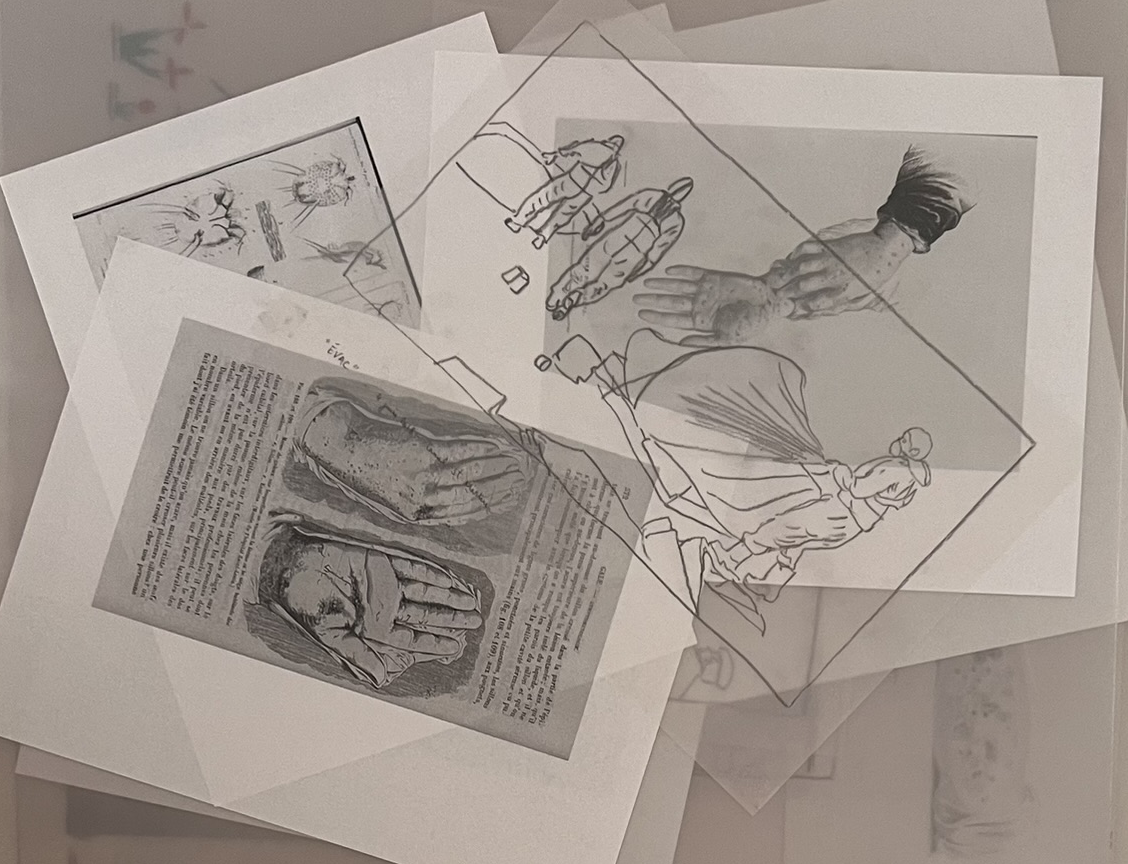
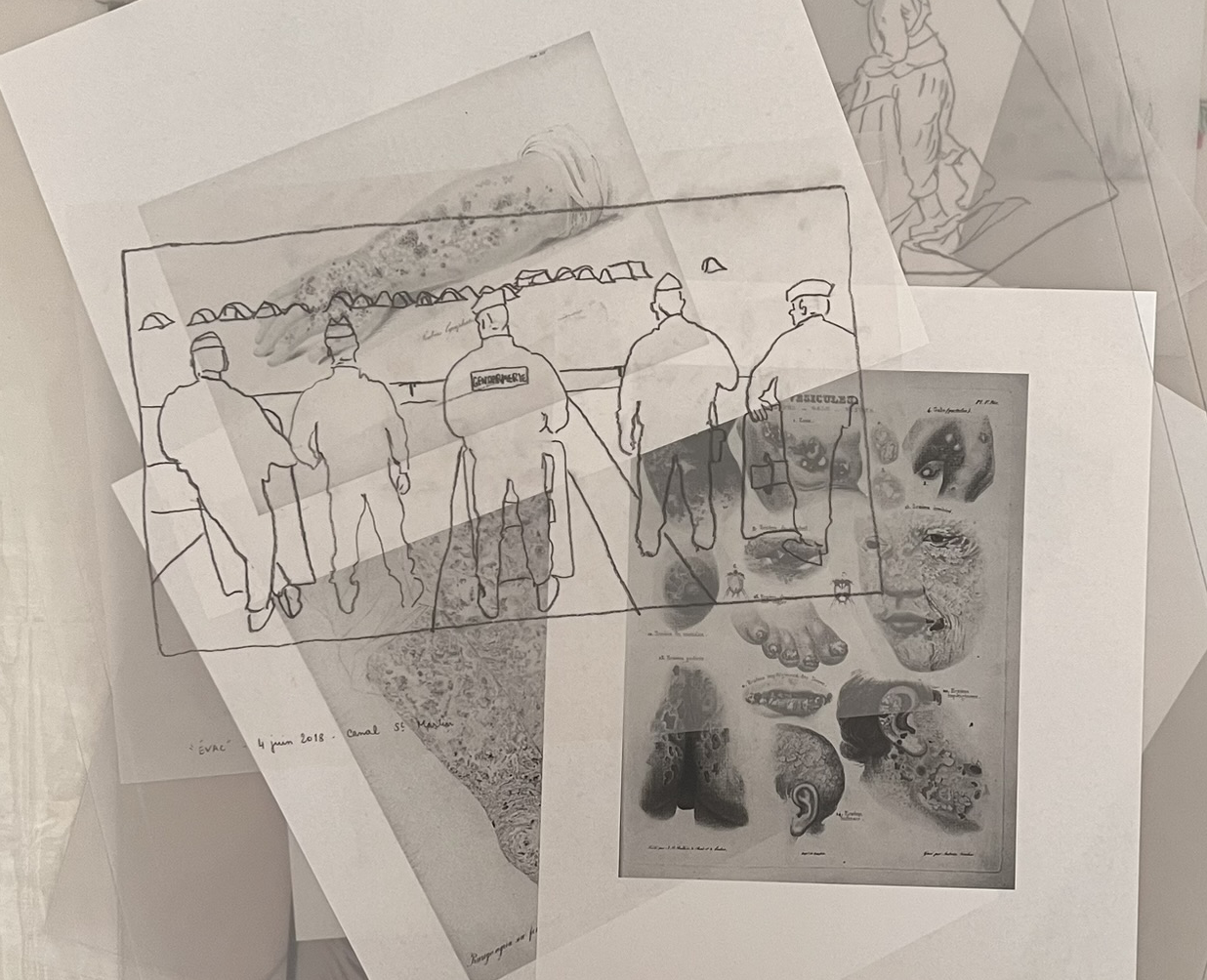
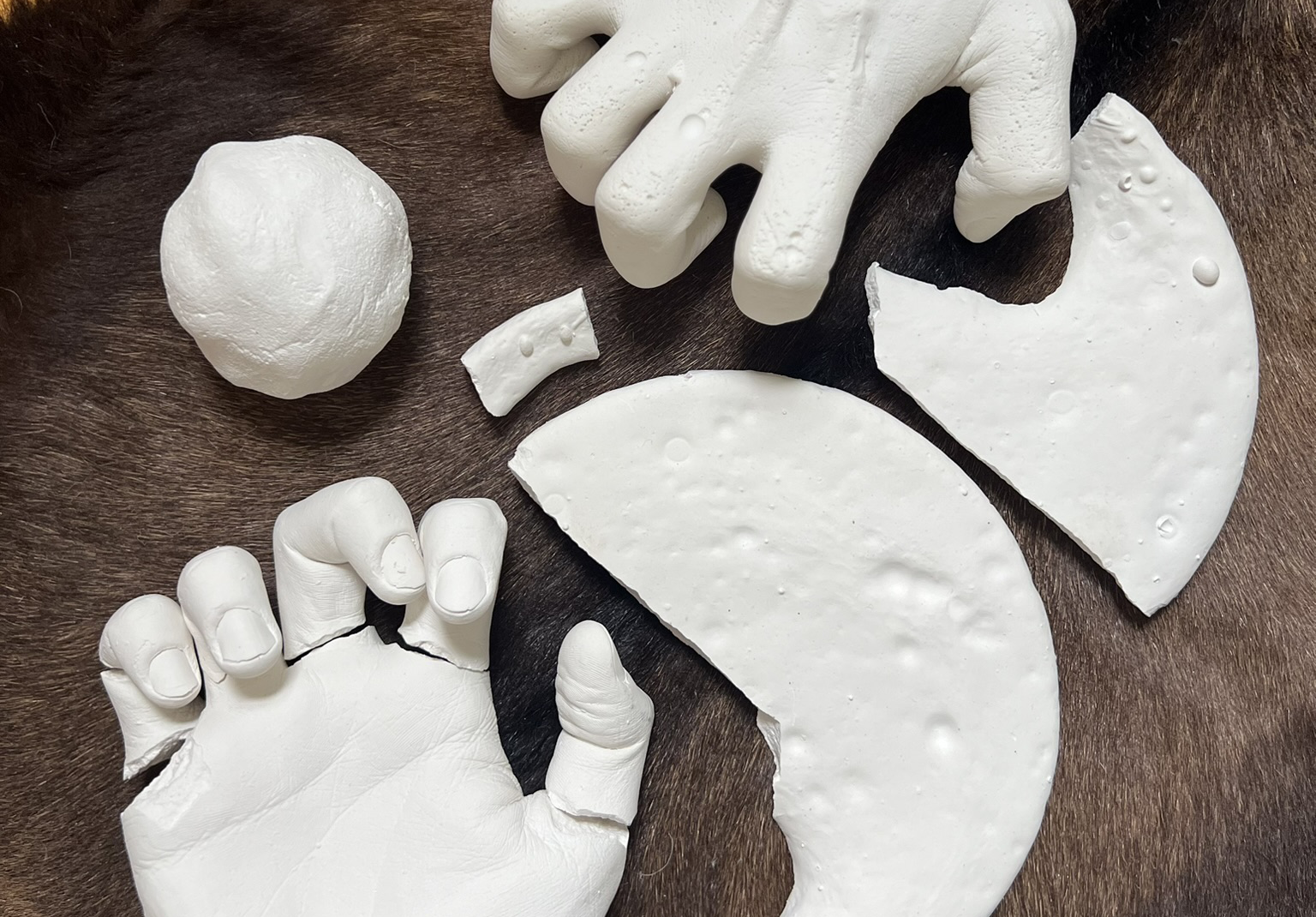
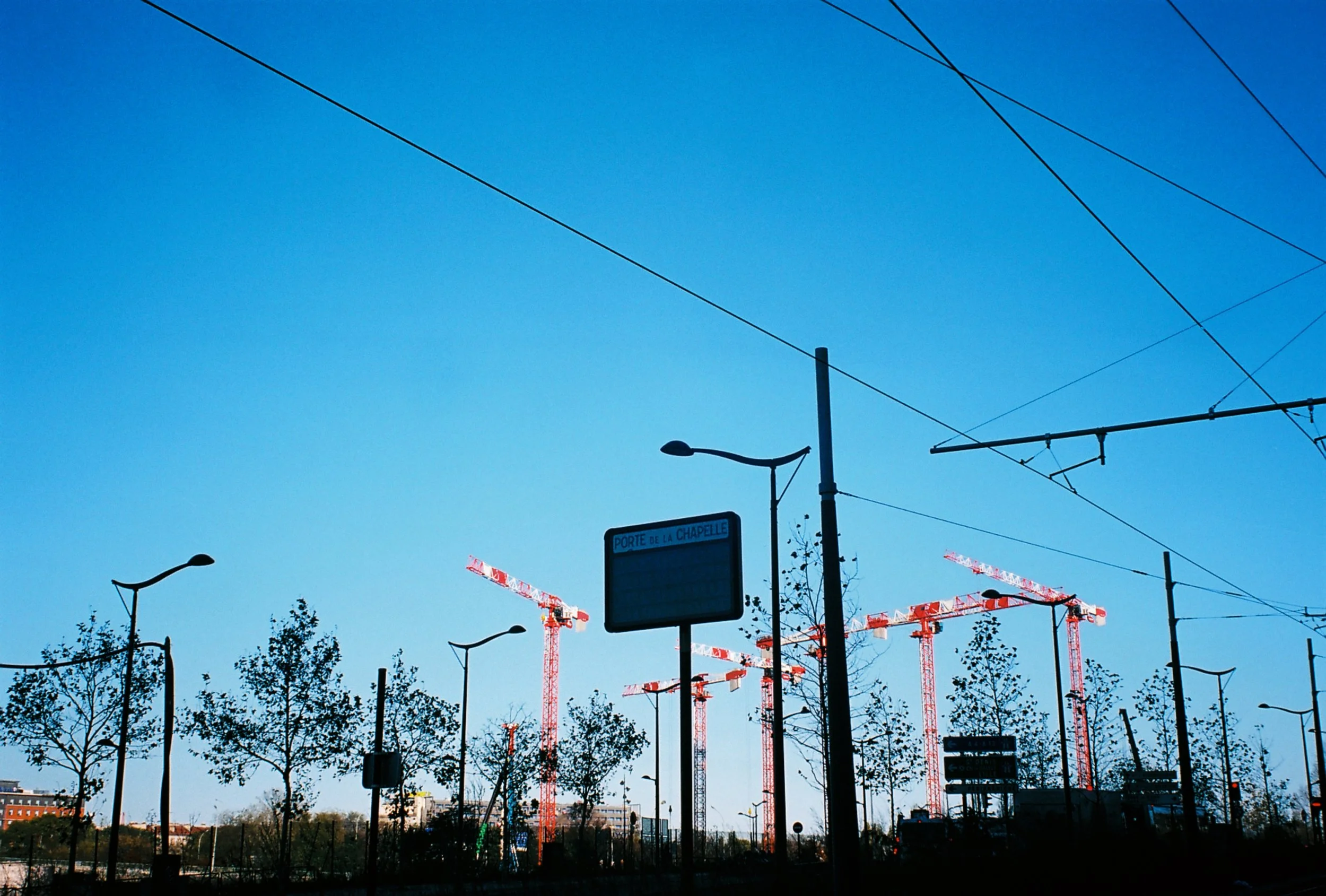
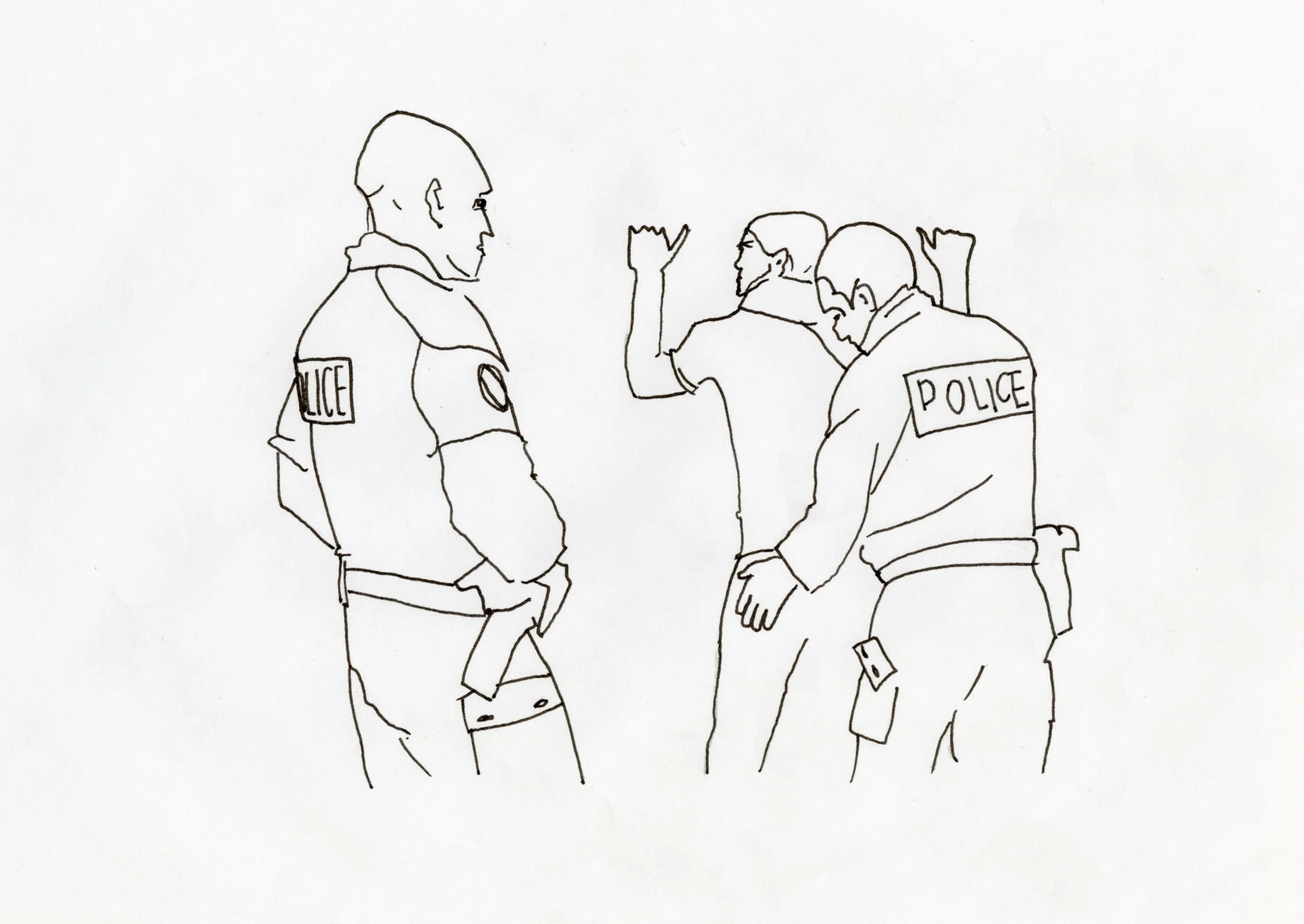
As a GIDEST fellow, Khalil will develop an ongoing project titled évacuation [epidermic racism]. The project involves archival research in national, colonial, and medical archives, and fieldwork in various sites in Paris. Working between anthropology and design, the work relies on a process of research-creation, in which Khalil studies (and attempts to apply) techniques and materials involved in representing pathology and skin in the French imperial archive. This component of the research combines sculpture, photography, and trace-drawing; an assemblage installation set in and against elements of contemporary urban topographies of enclosure and displacement. A previous iteration, developed during a fellowship with the Ethnographic Media Lab, featured trace-drawings of the June 4, 2018, police “evacuation” of the Canal Saint Martin encampment overlayed with archives of dermatological imaging.
At GIDEST, Khalil will focus on writing related to recent archival and urban fieldwork, animated by a set of questions: about the history of dermatology and, more broadly, colonial and racial sciences, but also, specifically, about a certain mode of study and how study and artistic experimentation labor the sensibilities required to address such delicate political work.