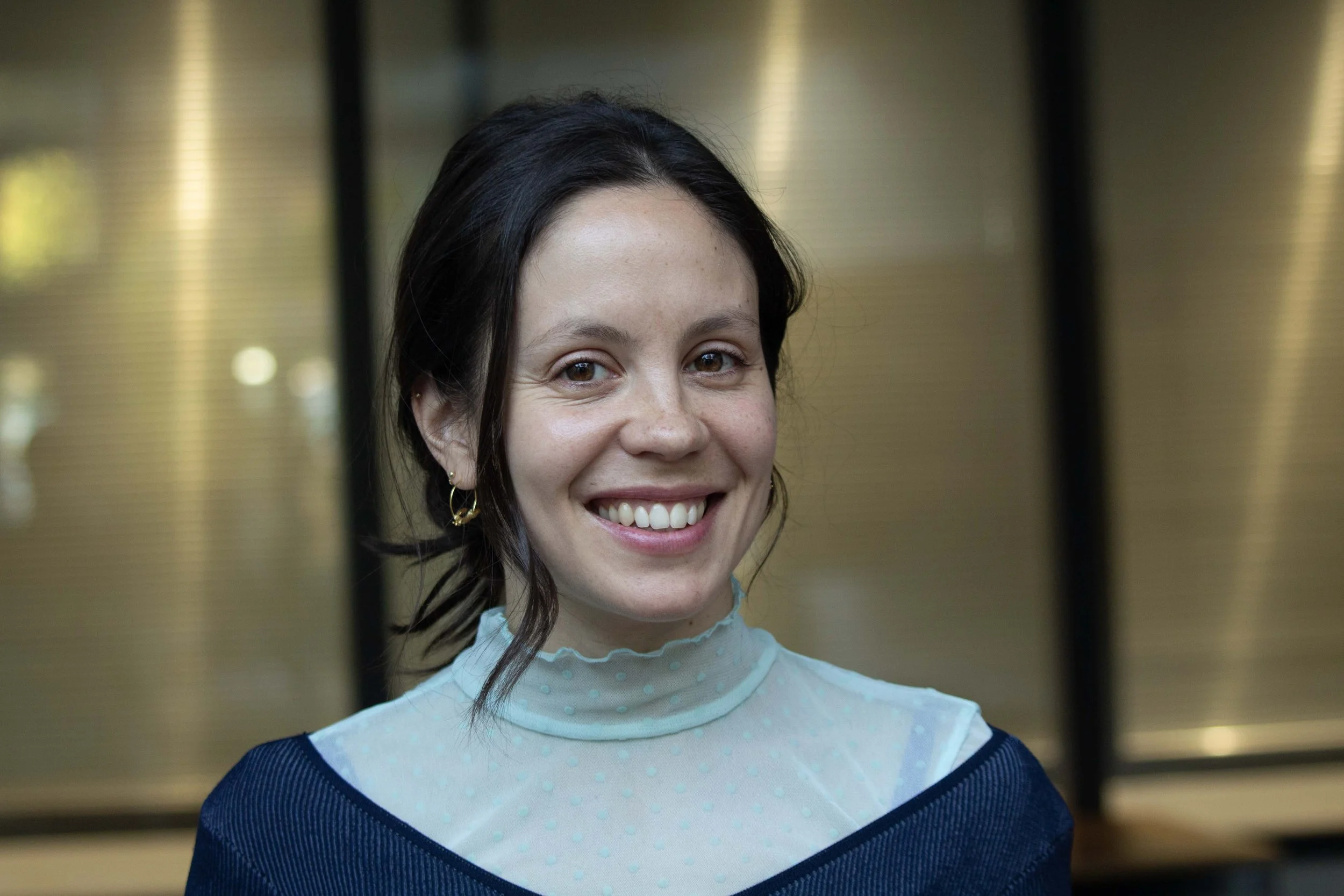
Julia Ballester
Julia Ballester is a Ph.D. candidate in Sociology at the New School for Social Research whose research examines questions of capitalism, economic reform, the politics of the family, affect theory, and the dynamics of gender in late-twentieth-century Latin America.
Julia Ballester is a Ph.D. candidate in Sociology at the New School for Social Research. Her research examines questions of capitalism, economic reform, the politics of the family, affect theory, and the dynamics of gender in late-twentieth-century Latin America.
Julia holds an M.A. in Sociology and a Certificate in Gender and Sexualities Studies, both from The New School, and an undergraduate degree in Sociology from the Universidad de Buenos Aires in Argentina. At the intersection of economic sociology, affect and feminist theory, and historical and cultural studies, her work has been supported by the DAAD, Fulbright, the Heilbroner Center for Capitalism Studies, and the Janey Program in Latin American Studies.
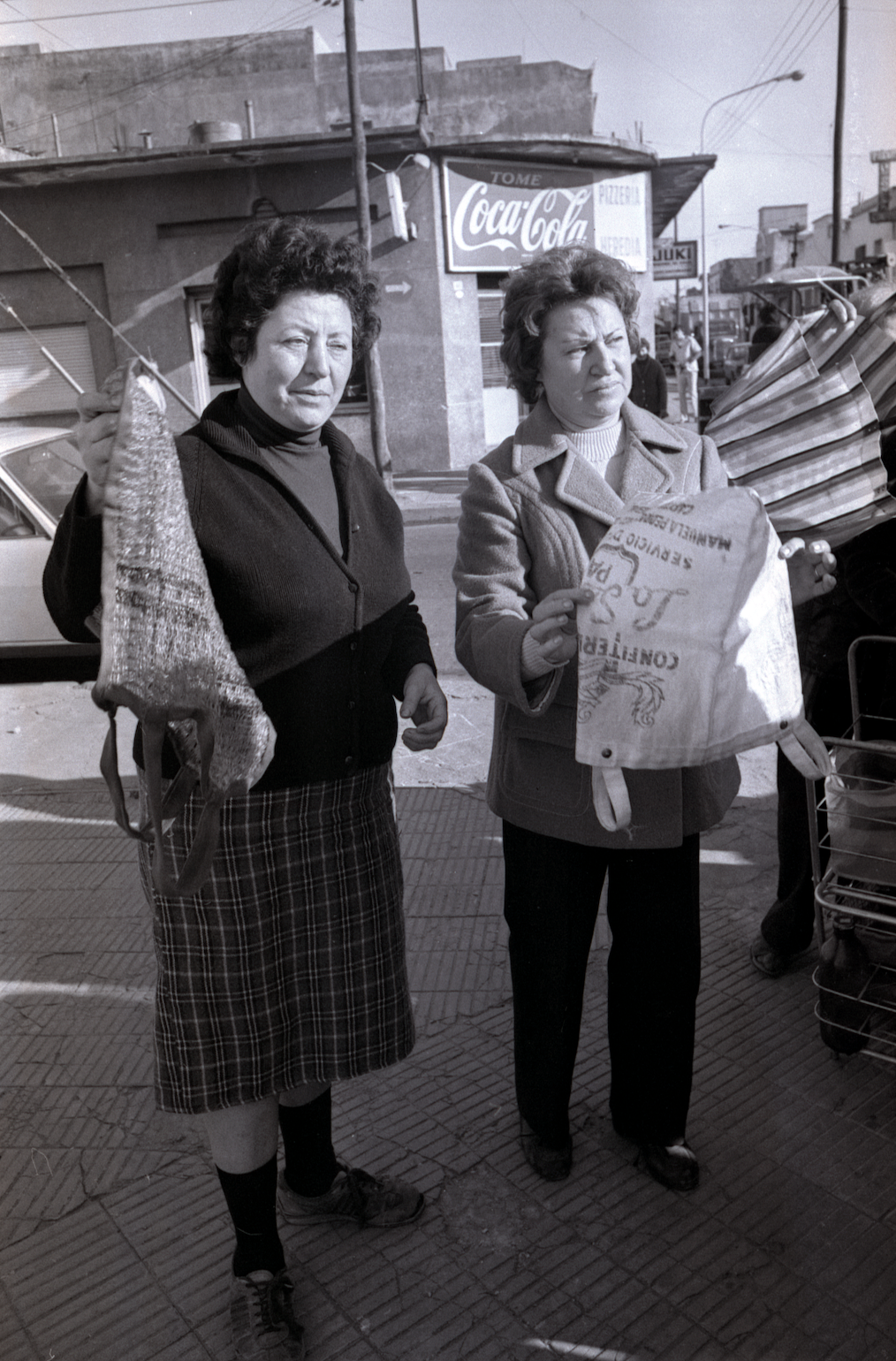
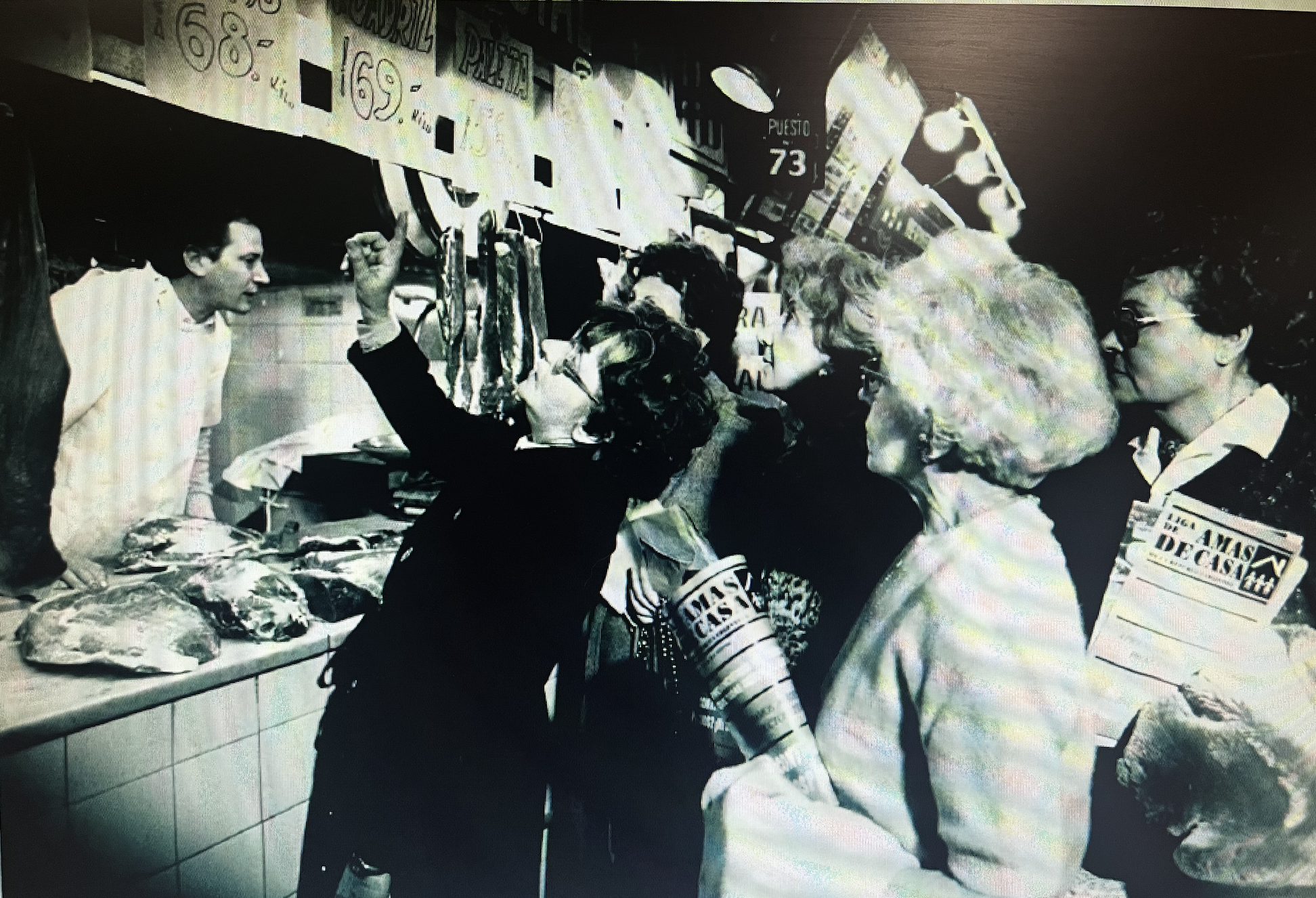
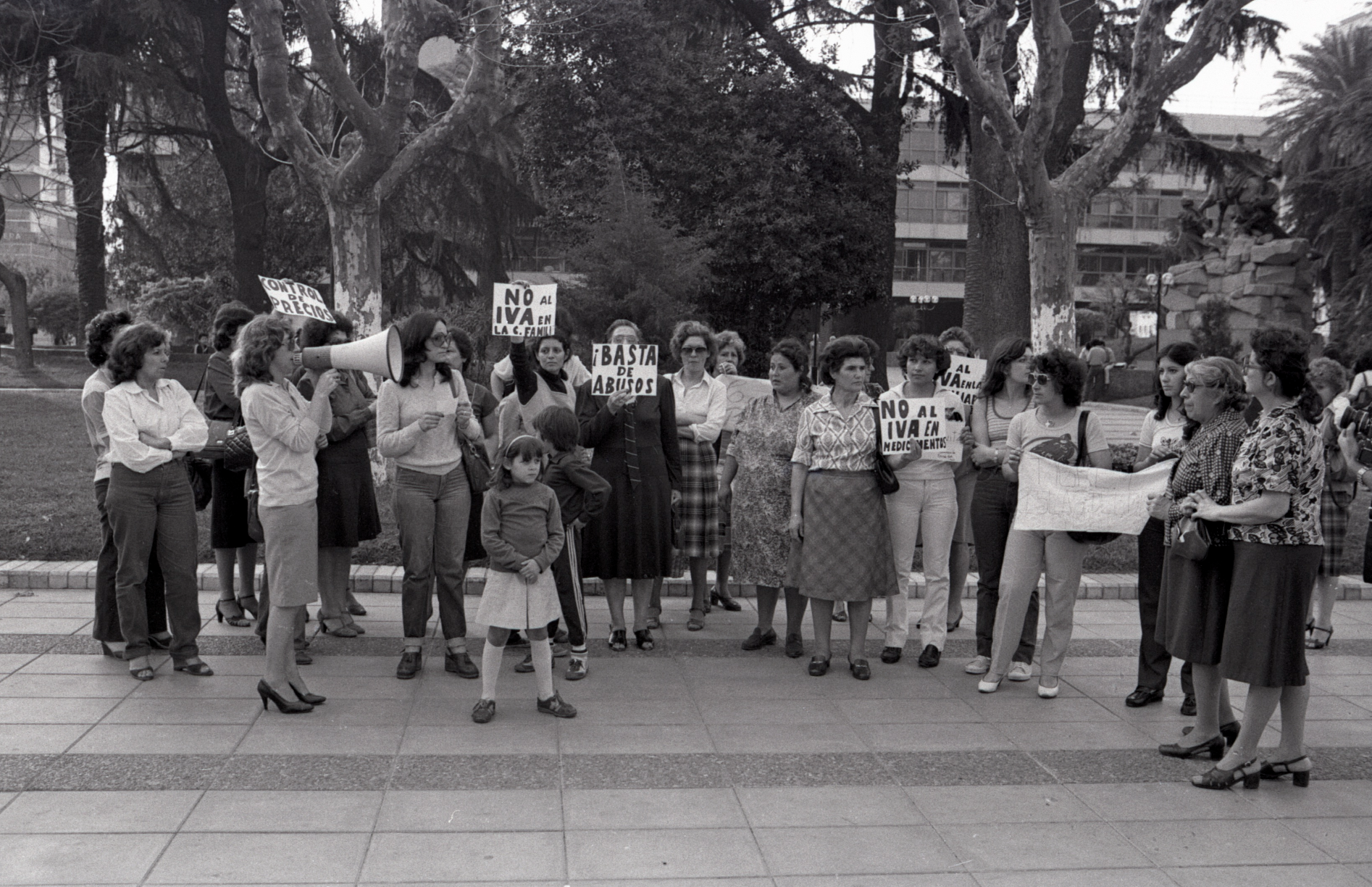
As a GIDEST fellow, Julia will work on a chapter of her dissertation titled “The Affective Politics of Inflation during Argentina's Last Military Dictatorship: Market Aims, Domestic Fronts, and Their Unruly Encounters, 1976-1983.” In this chapter, she explores how inflation became the terrain on which political projects of family governance and gendered practices of food consumption and preparation clashed, revealing the intimate dimensions of broader processes of economic reform. By looking at amas de casa (homemakers) in motion—as they gathered in community clubs, schools, homes, and union offices; planned protests and social initiatives; wrote letters and met with ministers of the economy; and drafted legislative proposals—Julia shows that rather than simply a macroeconomic index, inflation worked as a set of practices and relations through which political and economic subjectivities were produced and contested.
Julia's dissertation draws on archival research and oral histories to study how early- and mid-twentieth-century imaginaries and practices of a gendered domestic realm functioned as constitutive sites for the making of economic subjectivities throughout the late twentieth century in Argentina, while simultaneously generating forms of resistance and contestation. Rather than taking capitalism as a given, her work traces the uneven and contested processes through which it takes shape in people’s lives, contributing to discussions on how so-called “non-economic” practices and relationships shape and are reshaped by global economic projects and to debates on the gendered politics of political economy.