
Aman Bardia
Aman Bardia is a Ph.D. candidate in Economics at the New School for Social Research whose research examines caste and class dynamics in the uneven development of capitalism in agrarian India.
Aman Bardia (they/them) is a Ph.D. candidate in Economics at the New School for Social Research. Their research examines caste and class dynamics in the uneven development of capitalism in agrarian India. They have previously worked at the Platform Cooperativism Consortium, organized with the New York Taxi Workers Alliance, and have taught courses in agrarian change, political economy and development at The New School and Barnard College. They organize with SALAM (South Asian Left) in New York City.
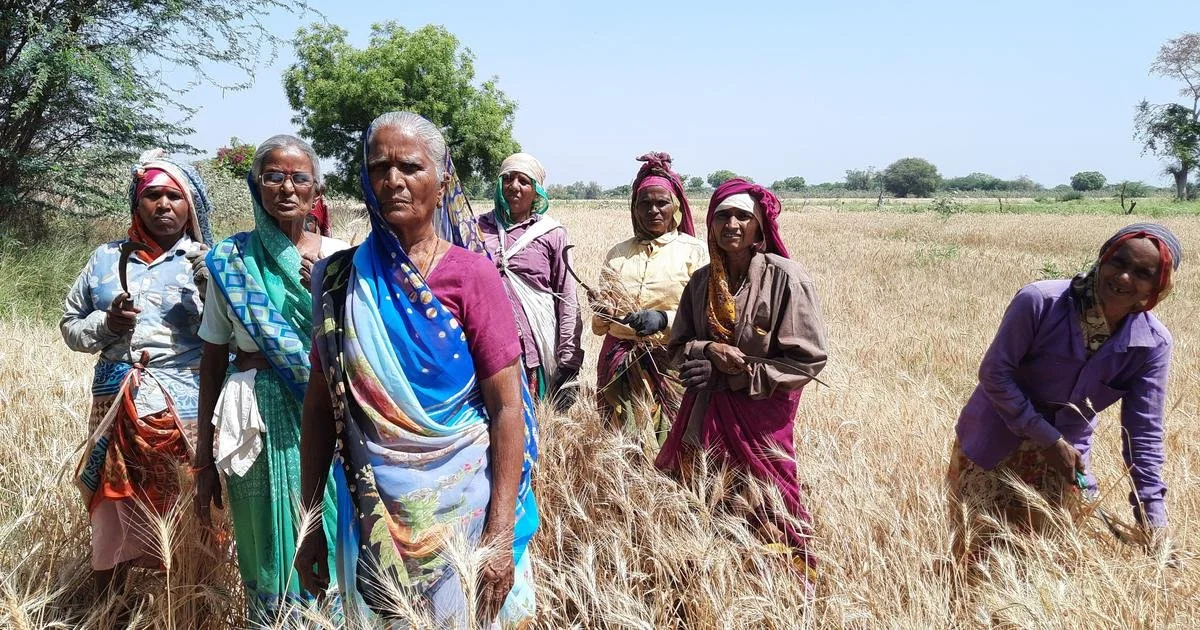
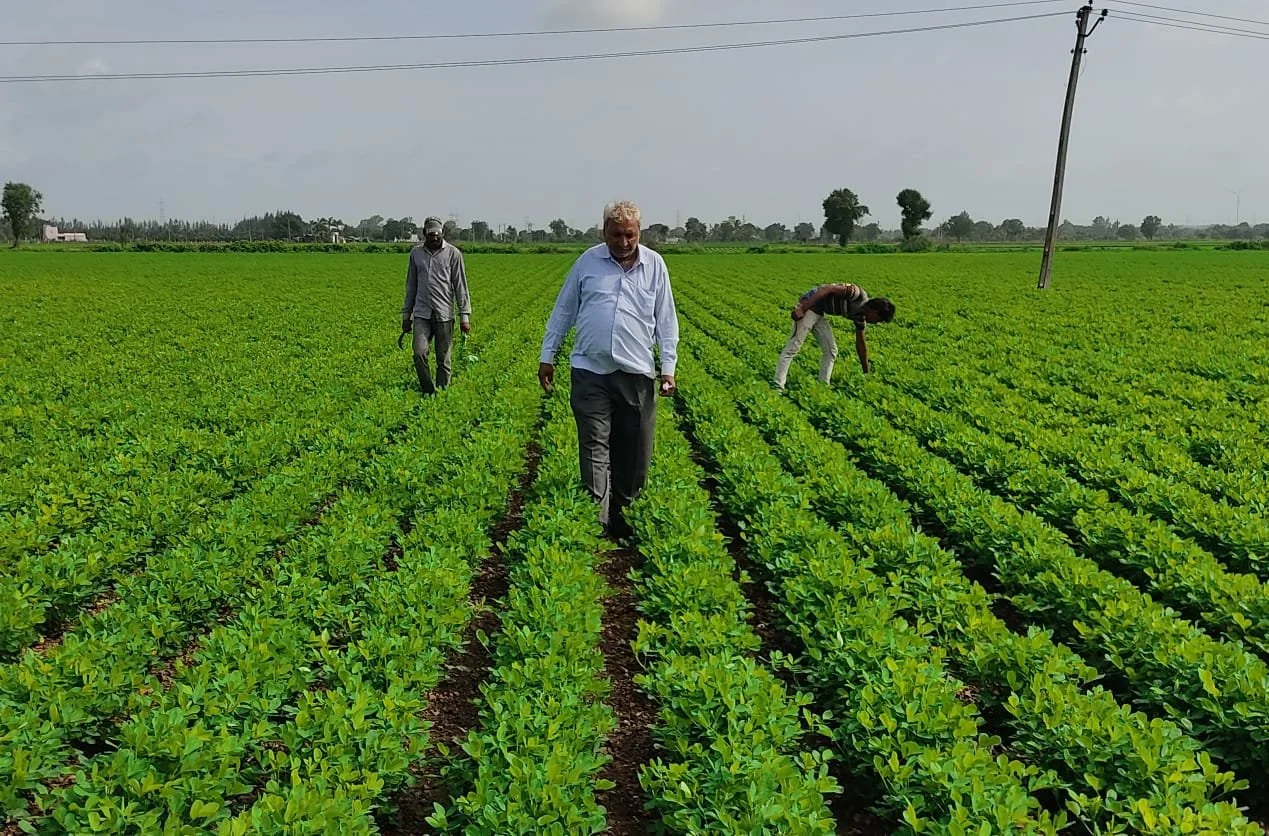
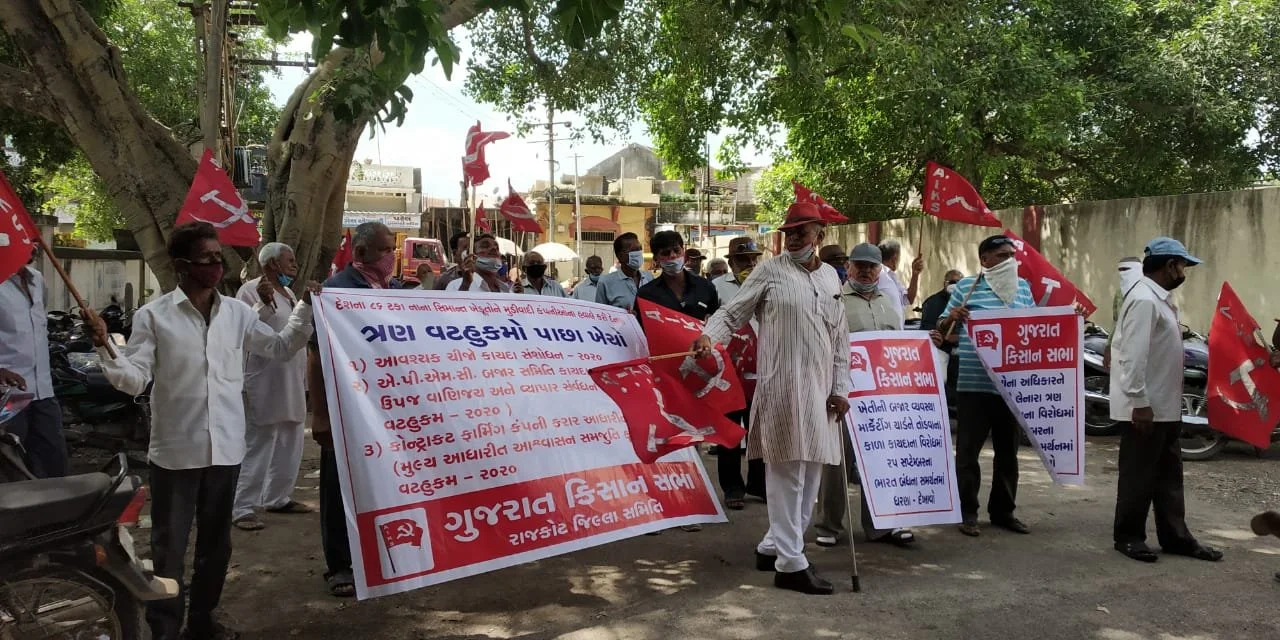
During the GIDEST fellowship year, Aman will process and analyze their summer fieldwork for their dissertation research on how caste relations shape agrarian class formation in India. Specifically, they are investigating capital-intensive transformation of agriculture in western Gujarat through the changing dynamics of land, labor, and state institutions. Rather than treating caste as a residual or “pre-” or “non-capitalist” hierarchy, they ask how caste is refracted through class-specific processes of accumulation, dispossession, labor discipline, and institutional access.
At GIDEST, they hope to sharpen this political economy methodology through sustained engagement with ethnographic, institutional, and design-oriented approaches to power. They see the fellowship as a space to think more carefully about how economic development, caste formation, and state capacity are socially constructed and contested in practice. Their broader question is: how non-capitalist social hierarchies and class formation under agrarian transition shape one another; and their specific question is: how caste enters the formation of agrarian class positions in India in specific ways.
They will use the fellowship year to develop their dissertation’s conceptual and methodological interventions through an interdisciplinary lens, workshop their fieldwork analyses, and write about this work for a broader public audience, and for their dissertation.