Amalle Dublon
Amalle Dublon’s work with art, disability, sexuality, and sound centers on cross-disability aesthetics, drawing together divergent, often conflicting needs around communication, environment, and sensation as the basis for social gathering and political formation.
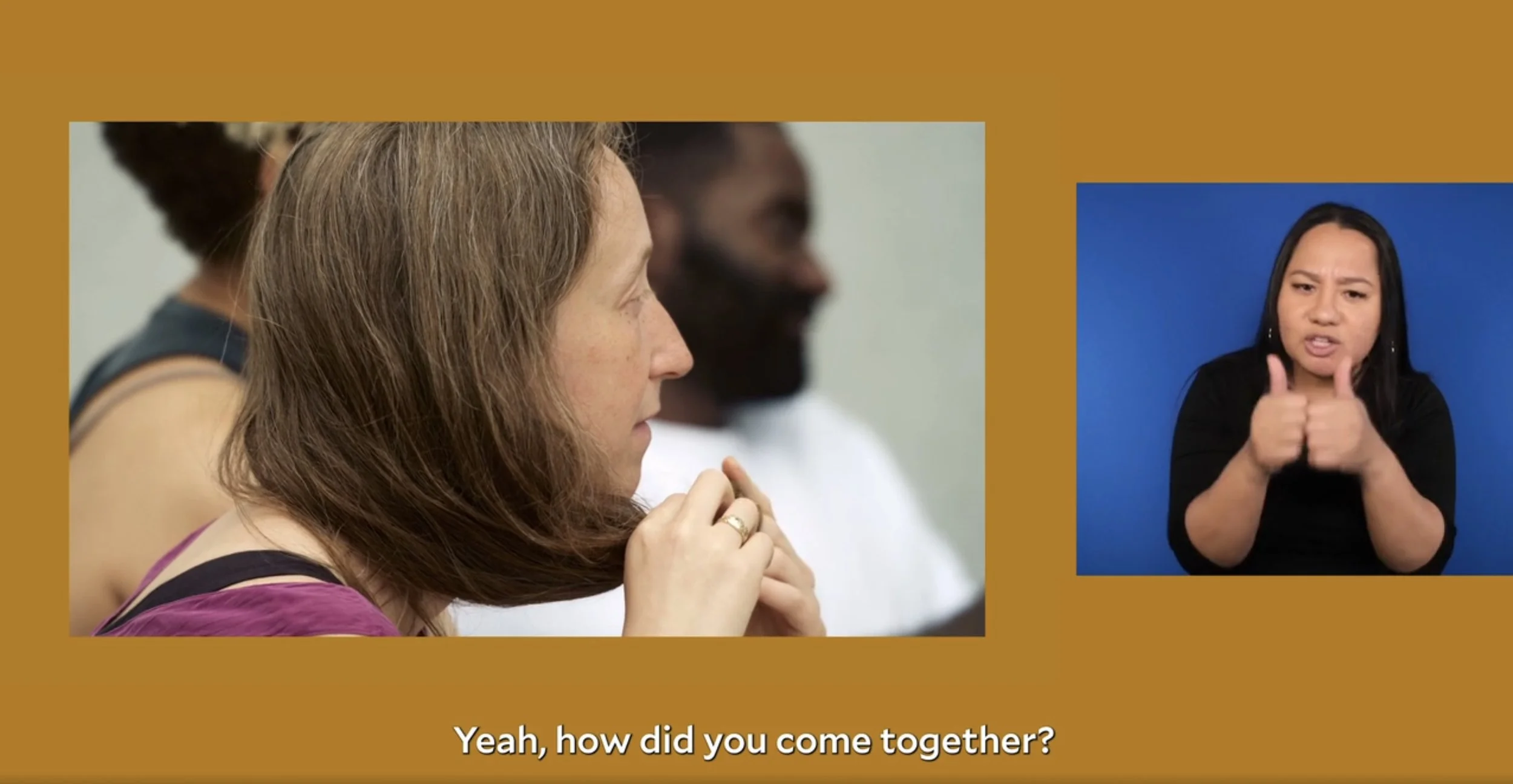
Headshot caption: A still from an Art21 film about I Wanna Be With You Everywhere shows two video streams on an orange background: in the image on the left, a small group of people look to the side as if listening to someone speak offscreen. In the foreground, Amalle, a white person, plays with their hair. On the right is a small embedded image of an ASL interpreter signing the word “together.”
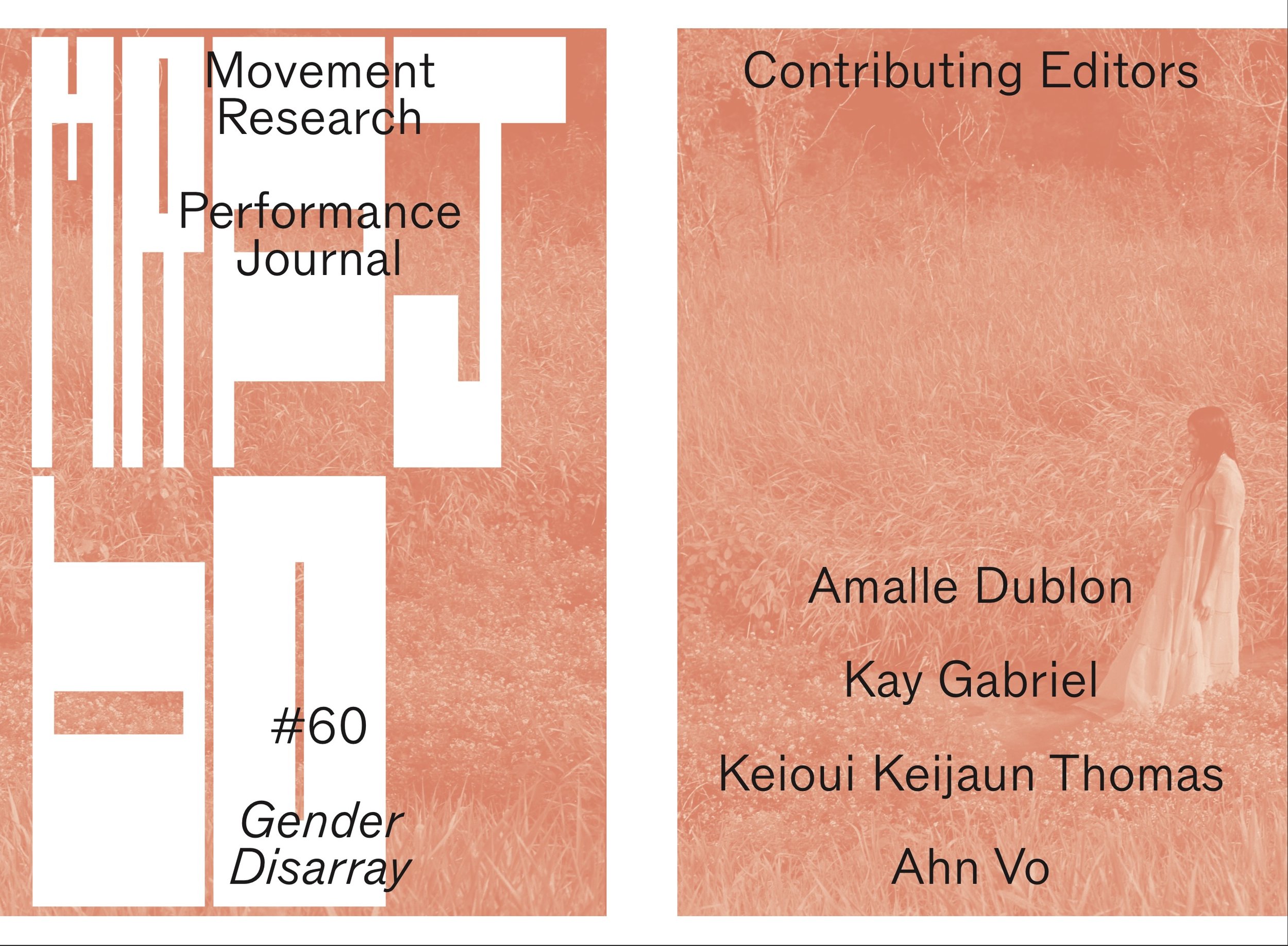
Amalle Dublon teaches in the Program in Visual Studies at Eugene Lang College and in Global Studies at Sarah Lawrence College. Amalle’s writing on art, disability, sexuality, and sound has appeared in GLQ, Movement Research Performance Journal, Artpapers, TDR, and Art in America, among other publications. They have taught in curatorial studies, film and media studies, and gender studies at Bard College, New York University, and Temple University, and hold a Ph.D. in Literature from Duke University.
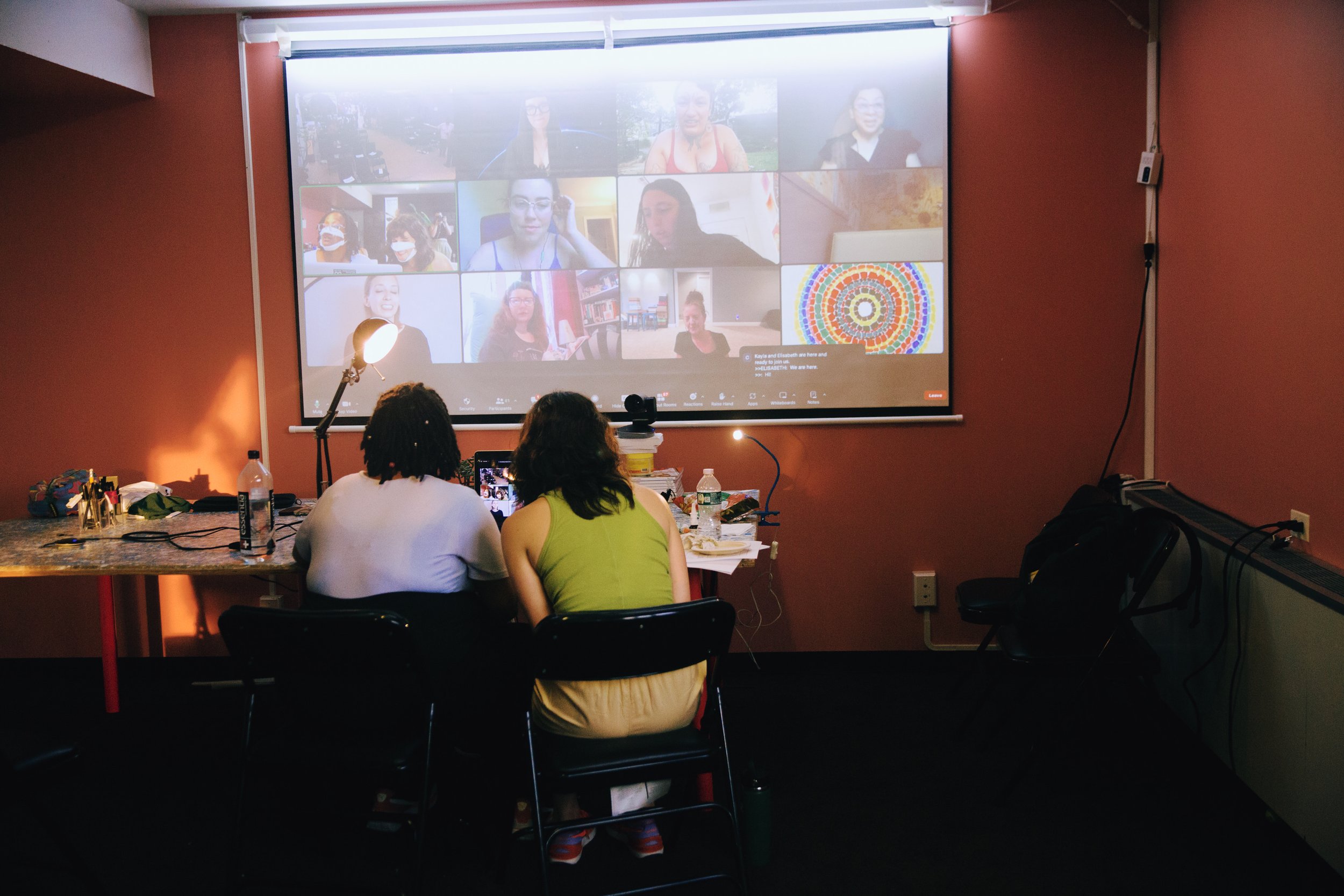
Amalle co-organizes I Wanna Be With You Everywhere, a serial cross-disability arts gathering. Their artwork, made collaboratively with friends and loved ones, has been exhibited at Artists Space (New York), Museum für Moderne Kunst (Frankfurt), Argos Centre for Audiovisual Arts (Brussels), and Dazibao (Montreal).
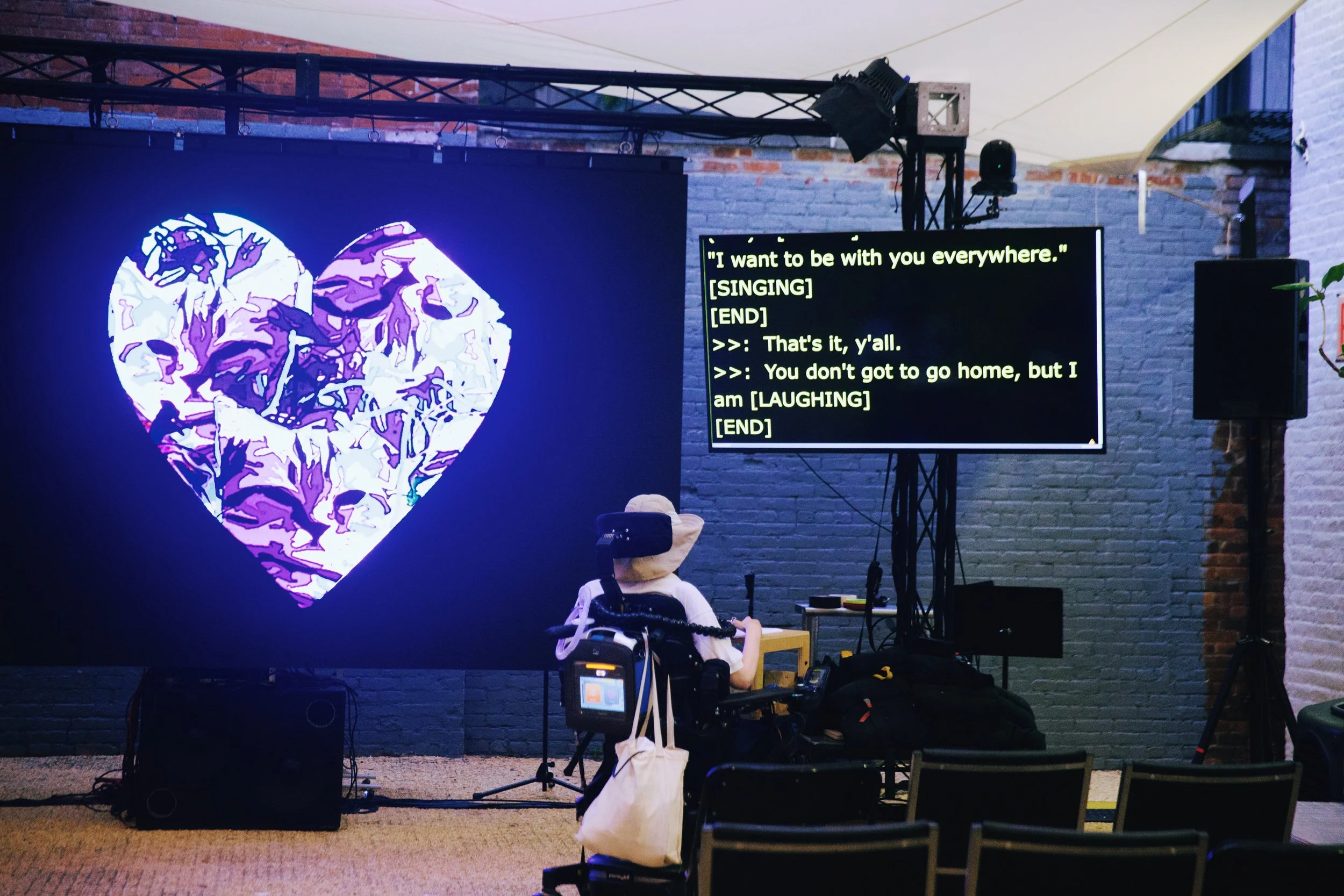
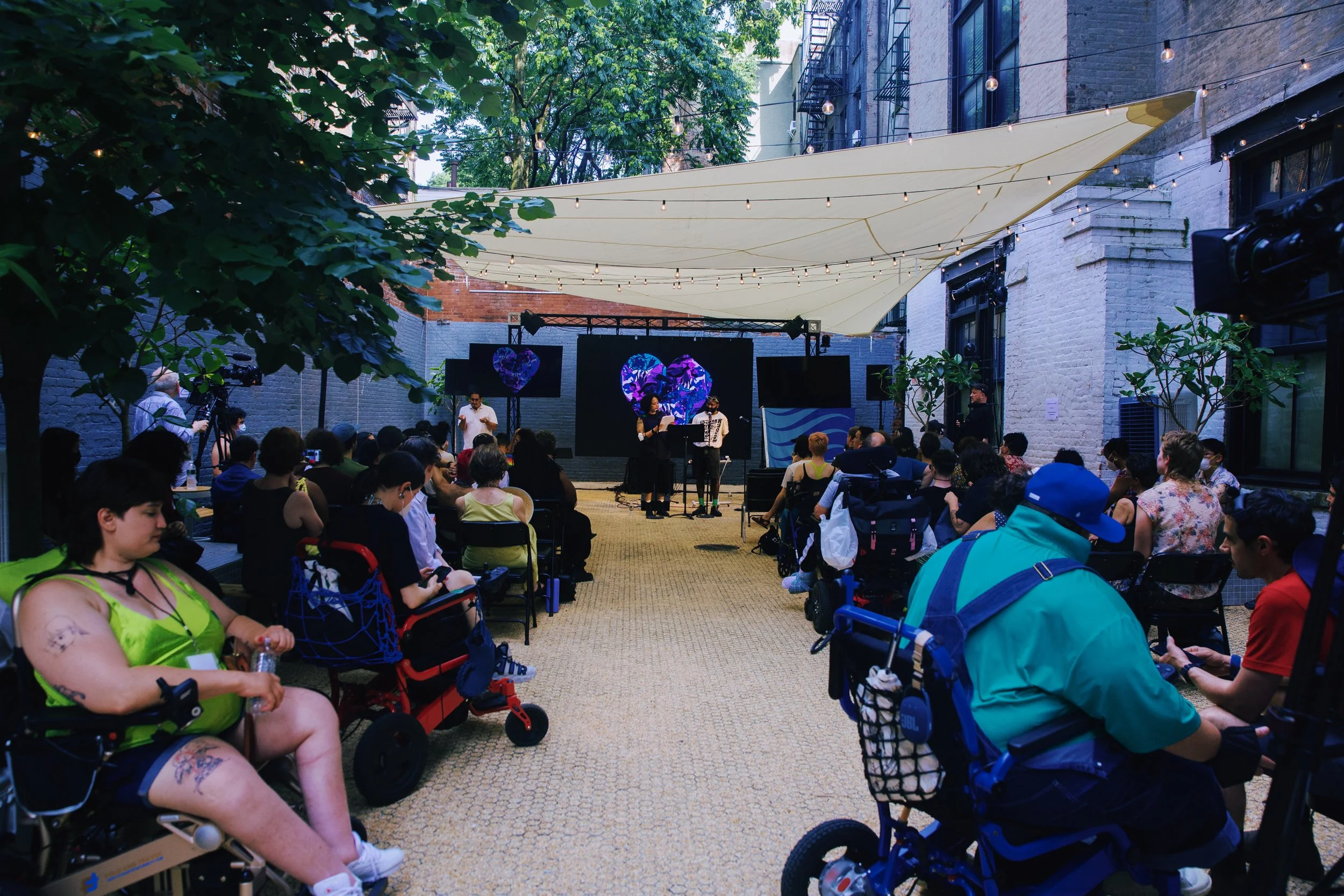
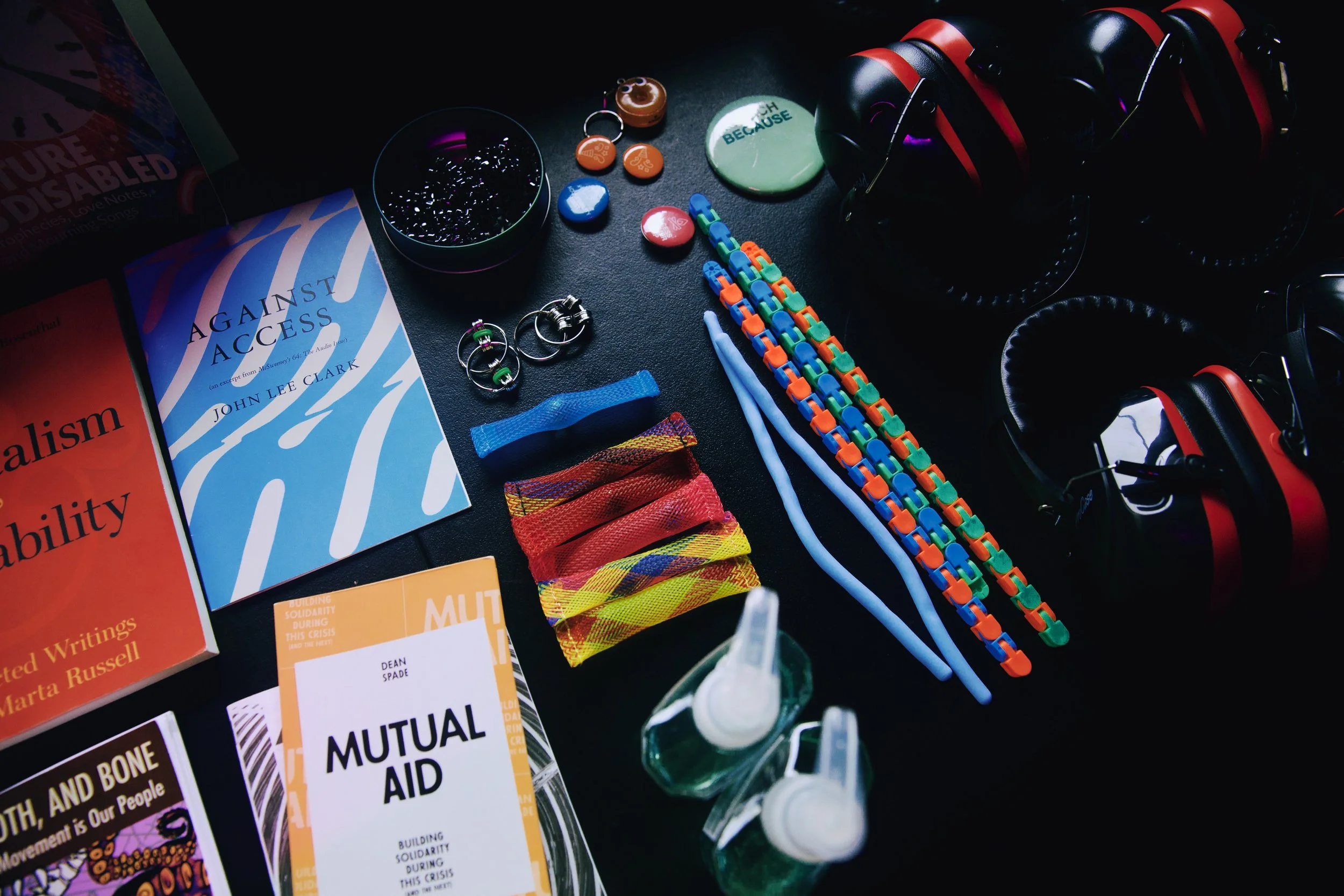
Amalle’s GIDEST project centers on cross-disability aesthetics, which draws together divergent, often conflicting needs around communication, environment, and sensation as the basis for social gathering and political formation. Within this broad, interdisciplinary tendency, need and dependency are given as a social resource held in common.
The aesthetics and sociality of access have been central to Amalle’s experiences organizing gatherings with I Wanna Be With You Everywhere. As they have increasingly turned toward self-organized group study, Amalle is curious about how so much of the work they have done together revolves around translation and a collective poetic relay, whether in the form of audio description, creative captioning, sign language interpretation, wayfinding, or simply the attempt to describe experience across physical and temporal separation or isolation.
During the GIDEST fellowship, Amalle will be developing these questions in tandem with this work, as well as writing an essay on cross-disability aesthetics in recent artwork that reads works from the last two decades by Mel Baggs, Fia Backström, and Park McArthur to consider how each thinks an entanglement between embodied movement and language, imagining access as trespass, flight, fantasy, or wandering, rather than inclusion.